

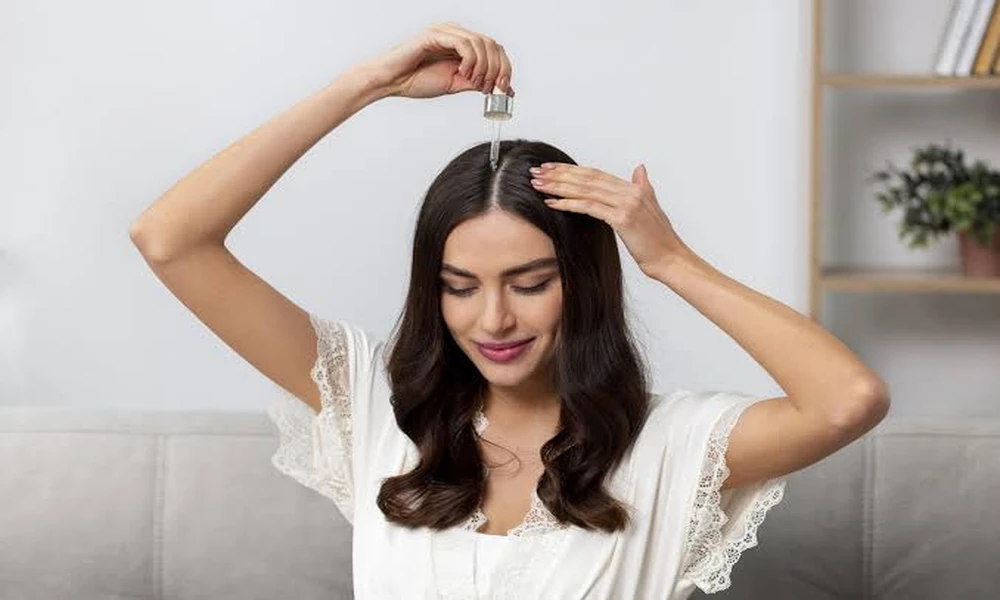
In many Indian households, Sunday mornings once came with a ritual. A parent or grandparent would warm up a small steel bowl of oil, work it into a child’s scalp with firm fingertips and insist the hair stay oiled for an hour before washing. That habit, often called Champi, sits behind many of the Ayurveda hair care products sold across the United States today.
The modern versions come in tidy bottles with ingredient lists and scent notes, yet the idea underneath has barely changed. Oil the scalp, give it time, then cleanse it gently. Knowing what goes into a natural hair oil, what the tradition claims and where research still falls short helps you build a routine that feels good without expecting miracles.
What Makes Ayurveda Hair Care Products Different?
Most conventional hair products are built around a quick result: cleanse, condition, style. Ayurveda hair care products start from another place. The traditional view treats hair as connected to the rest of the body and to the doshas, the three energies called Vata, Pitta and Kapha. A dry, frizzy scalp is read as a Vata pattern, early graying or a hot, itchy scalp as Pitta, and heavy, oily hair as Kapha. Products are then matched to that pattern.
These categories come from classical texts and generations of practitioner experience, and they are not diagnosed in any medical sense. They can still be a handy shorthand for choosing texture. Someone with a warm, easily irritated scalp might lean toward a cooling Ayurvedic hair oil made with coconut, while a person with brittle, dry ends may prefer a sesame base.
Which Herbs Appear Most in Ayurvedic Scalp Oils?
Brahmi, the plant known to botanists as Bacopa Monnier, is one of the most familiar names on labels, and tradition describes it as cooling and calming. A Brahmi hair oil is often used in the evening as part of a slow head massage before sleeping. Bhringraj, or Ecliptic alba, shows up nearly as often and carries the old nickname “king of hair.”
Amla, the Indian gooseberry, is prized in tradition for shine and is well known as a fruit rich in vitamin C. Neem is used for an itchy or flaky scalp, hibiscus for softness and fenugreek for body. Most blends cook these herbs into sesame or coconut oil for hours, so a natural hair oil from this tradition is mostly carrier oil, with plant compounds dissolved into it.
Is There Proof That an Ayurvedic Hair Growth Oil Works?
The evidence is thinner than the labels suggest. Studies on bhringraj and brahmi for hair have mostly been done in lab dishes or on rats, and many are small or dated. No strong human trials show that any Ayurvedic hair growth oil regrows hair or halts hereditary thinning. Coconut oil does have lab evidence for reducing protein loss from strands during washing, which may help hair look healthier and break less, a separate matter from producing new hair.
Labels deserve a careful read too. Under FDA rules, a product sold to cleanse, beautify or condition hair is a cosmetic, while one that claims to restore hair growth is treated as a drug and must meet much stricter standards. When a bottle calls itself an Ayurvedic hair oil for hair growth, read that phrase as a nod to tradition and look for plain, realistic wording elsewhere on the label. Anyone with sudden shedding, patchy loss or a sore scalp should see a dermatologist before trying home remedies.
How Often Should You Oil Your Scalp, and for How Long?
Most routines call for oiling one to three times a week. Warm a teaspoon or two between your palms, part the hair into sections and press the oil onto the scalp with your fingertips. The method is a scaled-down, head-only version of abhyanga, the full-body massage traditionally done with an Ayurvedic body oil. Many people say the five minutes of slow circular massage is the part they enjoy most, whether they reach for a brahmi hair oil or a plain coconut blend.
Leave the oil on for thirty minutes to a few hours. Overnight oiling is common in tradition, but it can stain pillowcases and may aggravate breakouts for anyone prone to scalp acne, so a shorter window suits many people. Wash with a mild shampoo, sometimes twice, until the scalp feels clean. Fine hair often looks flat after heavy oiling, and a lighter natural hair oil applied mainly to the lengths can solve that.
In traditional homes, oiling rarely stops at the hairline. Some people pair a weekly scalp session with an Ayurvedic body oil smoothed over the arms and legs before a shower, turning wash day into a fuller self-care ritual. Use separate bottles for each, since body blends tend to be heavier, and scalp blends are made to rinse out.
Do Sensitive Scalps Need a Patch Test First?
They do, and so does every other scalp. Herbal extracts and essential oils can trigger contact dermatitis even though they come from plants. Dab a little oil on the skin behind one ear or along the hairline each day for about a week and watch for itching, redness or small bumps. This step applies to every blend, including one sold as an Ayurvedic hair growth oil, since stronger herbs and added fragrance are common in that category.
People who color their hair, use prescription scalp treatments or live with psoriasis or seborrheic dermatitis should talk with a dermatologist before adding Ayurveda hair care products to the mix. Some oils can make certain flaking conditions worse, and a doctor can help you decide what is safe for your scalp.
Why Does Patience Matter with Herbal Hair Oils?
Hair grows slowly, so any change in how it looks or feels takes weeks of steady use to notice. Give a routine built on Ayurveda hair care products for at least a couple of months, keep notes on how your scalp responds and adjust the oil type or timing as the seasons shift. Treat any Ayurvedic hair oil for hair growth as a pleasant grooming habit with a long tradition behind it and leave medical hair loss to a doctor.