

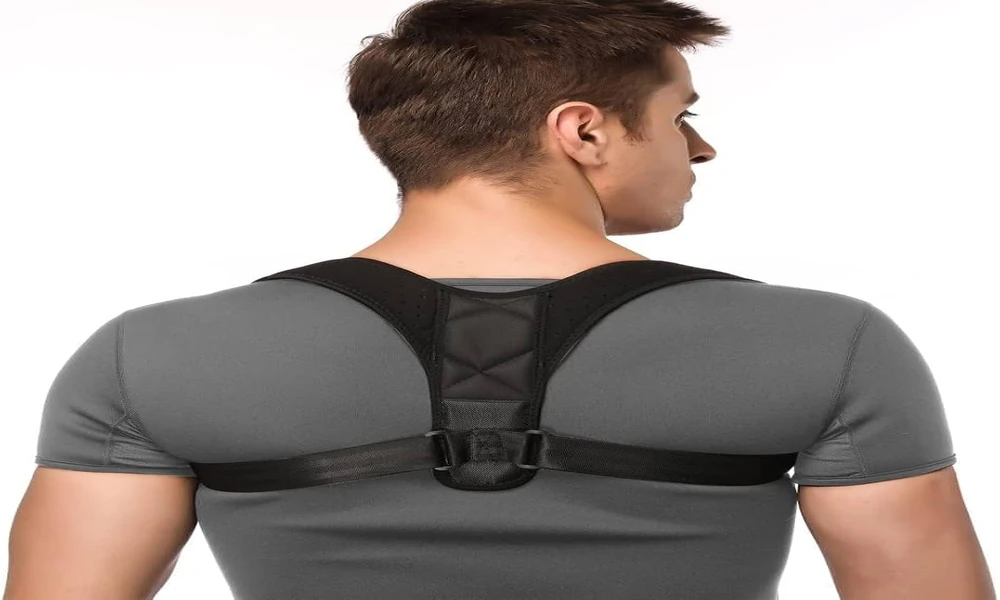
A broken sternum may take a while to get over as it requires the patient to be at rest and to get the correct medical advice. Your sternum is the bone at the centre of your chest that holds your ribs in place as well as shielding your lungs and heart.
It’s difficult to immobilize a broken sternum because your chest can move significantly when you inhale/exhale, sneeze or laugh. Your chest may also move when you lift your arms up and move them from side to side. This is exactly why the proper support of the chest and the creation of a special belt support system can be so crucial to recovery.
There are different types of orthopedic supports available in India, but it can be difficult to find the right chest belt.
In this blog, we will discuss why keeping the chest stable is crucial and what features to look for in a support belt that help you recover smoothly.
Understanding the Role of a Chest Belt in Sternum Recovery
However, since it is impossible to immobilise a broken sternum with hard cast the way a fractured arm or leg would be handled.
In order to live you have to be able to breathe so the broken part continues to move slightly at all times. Each time you take a deep breath, you laugh, cough, sneeze, or turn in your sleep it can be painful and could interfere with the bone healing process.
A medical chest belt, also called a sternal brace or thoracic support, works like a moving splint. It doesn’t stop all movement but instead uses gentle pressure on the chest area. This pressure helps in several important ways:
- Reduced Pain: Restricting fast expansion of the ribcage during sudden tasks like sneezing or coughing reduces sudden sharp pain.
- Structural Stabilization: It allows faster bone remodelling and holds the fractured bone together on either side.
- Better Mobility: A proper pain management through compression can help you in sitting up and walking.
Key Features to Look For in a Support Belt
In any orthopedic store or even while browsing medical websites in India, you will find numerous options in rib belt and chest binders.
However, a normal rib belt might not work. To help you maximize the advantages you may gain from treatment, find one with these qualities.
- Focused Sternal Padding: A regular chest belt applies even pressure around your whole upper body. But for a broken sternum, this isn’t the best choice because it may push the ribs in without properly supporting the middle of your chest. Instead, choose a belt that has a strong, solid front pad, usually called a splint pad, that goes right over the breastbone. The pad applies pressure precisely to the broken section of bone and keeps it stable where it belongs.
- Gender-Specific Designing (anatomical shaping): Shape varies greatly among the genders. Good manufacturers craft straps that have curved, contorted shaping, or segmented panels shaped in accordance to the contours of the bust. Chest belt design keeps the compression pad up against the chest bone without having an added pain to the area.
- Loop Elastic and Adjustable Fastening: Recovery takes time. In the first few weeks, you might need a firm and tight compression. When the bone starts healing, reduce the pressure. The chest belt should have strong hook-and-loop (velcro) fastening, making it easier to tighten or loosen the belt before doing any activity. It helps your chest expand quickly, like taking medicine or eating, and to loosen it a bit when you’re resting.
- Breathable, Non-Allergenic Material: Talking about the Indian climate, it is extremely humid and hot. So, ensure that the chest binder belt is made from materials that are gentle on the skin. The combination of the lycra outer, the breathable elastic webbing and cotton on the inner material makes it wicking, so you don’t get a rash or itchy skin when wearing the brace for long periods of time.
How to Correctly Measure and Wear Your Belt
It is important to wear the right sized belt. It cannot be too tight or it can affect your breathing. Similarly, a belt can be too loose.
To find out what size will fit properly, take a measuring tape and wrap it around your chest at its broadest part, which should be directly above the center of your sternum. Stand relaxed and take a full breath and compare this measurement with the manufacturer’s size chart, instead of relying on how clothes normally fit you.
Here are the wearing guidelines:
- Positioning: Center the firm compression pad directly over your breastbone.
- Ensure Tightness: The straps of chest support should be fastened properly, so that the belt feels comfortable. You should be able to inhale and exhale without any difficulty or feeling constrained. If the belt causes you to feel lightheaded, find it difficult to breathe or turn blue then it is too tight.
- Application Timing: Wear the belt when you’re being active or whenever you are sitting or moving.
Conclusion
A broken sternum takes time to heal and getting a good chest belt with a special pad in the center is one of the best things you can do to feel better while you heal. Look for support that offers localized compression, is constructed from comfortable, breathable material, and fits you correctly. This can make a huge difference in reducing pain day to day, allowing you to heal properly and move freely throughout the day.
Always remember that an orthopedic belt serves as support to promote the recovery process and in no way does it substitute for medical help.
By wearing the chest belt with a proper plan and understanding, you can keep your lungs healthy and allow the chest to heal correctly.