

Wellness tracking has become an increasingly common way for people to pay closer attention to how they feel and how their lifestyle choices may affect their overall wellbeing. From keeping records of sleep and physical activity to monitoring nutrition and stress, tracking can provide useful information for conversations about personal health.
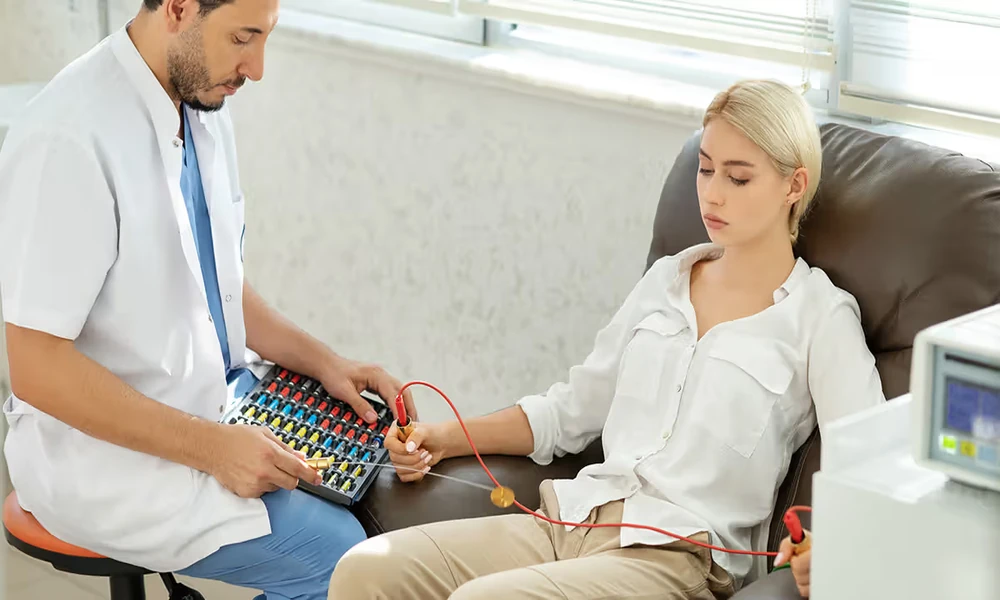
A bioresonance equipment is one of the technologies used in some wellness settings as part of a broader assessment process. These devices are designed to collect information through specialised measurements and may be incorporated into wellness programmes alongside discussions about lifestyle and health goals.
Understanding how this technology is used can help people decide whether it fits their approach to wellness tracking. Here are several potential benefits to consider.
1. Provides a Structured Wellness Assessment
One potential benefit of a bioresonance device is that it can provide a structured assessment within a wellness consultation. Rather than discussing health goals without any organised assessment process, a practitioner may use technology alongside information about lifestyle, daily habits, and personal concerns.
The assessment may help organise information that can then be discussed during a consultation. This can give individuals an opportunity to reflect on areas of their lifestyle that they may want to improve.
The specific measurements and information provided depend on the device and the wellness provider. Understanding what is actually being assessed is therefore an important part of the consultation.
2. Encourages Greater Awareness of Personal Wellness
Tracking health-related information can encourage people to become more aware of their everyday habits. Factors such as sleep, nutrition, hydration, physical activity, stress, and recovery can all influence how a person feels.
A bioresonance machine may be incorporated into a wellness programme to encourage individuals to take a more active interest in these areas. The assessment can serve as a starting point for conversations about personal goals and lifestyle patterns.
Greater awareness does not necessarily require making major changes immediately. Identifying areas that may benefit from attention can help individuals focus on realistic and sustainable adjustments.
3. Supports Personalised Wellness Discussions
Everyone has different routines, priorities, and wellness goals. A general approach may therefore not be equally useful for every individual.
Information gathered during a wellness assessment can provide a basis for a more personalised discussion. A practitioner may use the information alongside a person’s reported experiences, lifestyle habits, and objectives when discussing areas of focus.
This can make wellness conversations more relevant to the individual. Rather than following a standard routine, people can discuss which aspects of their lifestyle they would like to understand or improve.
Personalisation is particularly useful when wellness tracking is treated as an ongoing process rather than a single appointment.
4. Can Help Track Changes Over Time
One of the useful features of wellness tracking is the ability to compare information at different points in time. Recording information consistently can make it easier to recognise changes in habits, routines, or personal wellbeing.
When a bioresonance machine is used as part of a repeated wellness programme, assessments may provide information that can be reviewed alongside other lifestyle observations. For example, an individual might compare assessment sessions with changes they have made to sleep, exercise, nutrition, or stress-management routines.
The value of tracking comes from looking at patterns over time rather than focusing on a single measurement. Keeping a personal wellness record can therefore complement any information gathered during assessments.
5. Complements Broader Wellness Strategies
Technology is only one part of a broader approach to wellbeing. Healthy eating, regular physical activity, sufficient sleep, stress management, preventive healthcare, and appropriate medical care remain important components of maintaining health.
A bioresonance machine can be incorporated into some wellness programmes as an additional assessment or tracking tool. It may be used alongside conversations about lifestyle rather than as a replacement for appropriate healthcare.
This broader perspective helps keep wellness tracking focused on practical habits and individual goals. People can use information from different sources to support discussions about how they want to approach their wellbeing.
Conclusion
A bioresonance machine may form part of a structured wellness tracking programme by supporting organised assessments, encouraging personal awareness, facilitating personalised discussions, and providing information that can be reviewed over time.
Its usefulness depends on how the technology is incorporated into a broader wellness approach. Lifestyle habits, personal goals, professional guidance, and appropriate healthcare all remain important considerations.
For anyone exploring wellness tracking, understanding what an assessment measures and how its information will be used can help create realistic expectations. When combined with consistent lifestyle tracking and thoughtful discussions with qualified professionals, technology can become one component of a more personalised approach to wellbeing.