

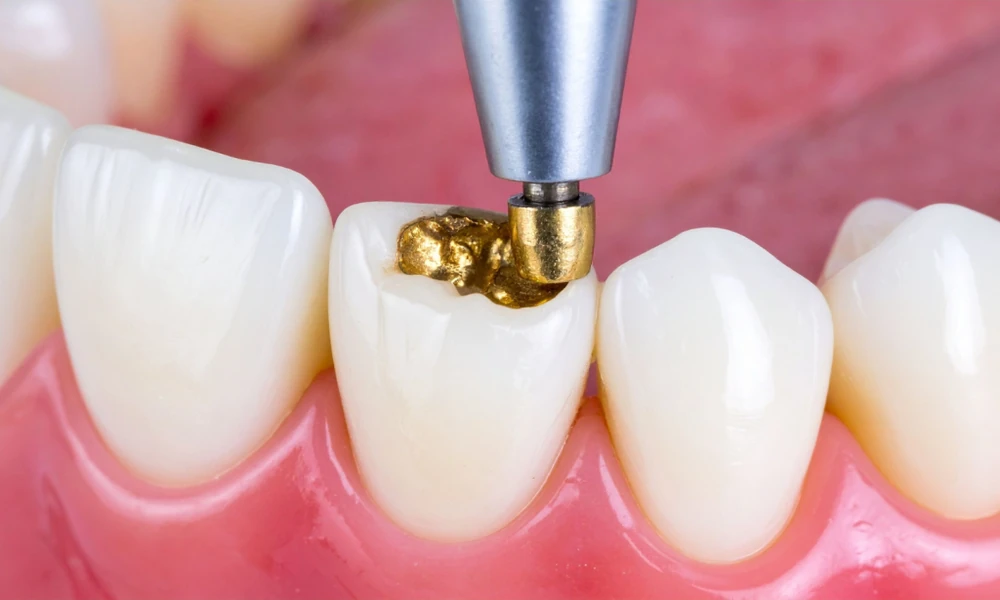
You might be looking at an old filling, crown, or bridge and thinking, if it does not hurt, why fix it now? That question makes sense. Most people connect dental problems with pain, so when an older restoration feels fine, it is easy to assume everything is still working as it should. Then a family dentist in Sioux Falls mentions wear, leakage, cracks, or decay around the edges, and suddenly something that felt settled starts to feel uncertain.
That can be frustrating, especially if your tooth has been quiet for years. Still, the short answer is simple. Old dental work may need replacement even when it does not hurt because dental materials can wear down over time, small gaps can form, and hidden damage can develop before you feel any symptoms. In many cases, replacing aging restorations early helps prevent bigger treatment later, which is one reason replacing old fillings and crowns is often part of thoughtful general, cosmetic, and restorative dentistry.
Why can old fillings and crowns fail before you feel anything?
Teeth do not always give you an early warning. A filling can look solid from the outside while the seal around it has started to break down. A crown can stay comfortable while the tooth underneath develops decay near the margin. A bridge can still feel stable even as the supporting teeth take on extra stress. Pain often shows up late, not early.
Because of this, older dental work is not judged by comfort alone. Dentists also look at how the restoration fits, whether the edges are still sealed, if the surrounding tooth is sound, and whether bite forces are causing cracks or wear. According to NIDCR information on dental materials, restorations are durable but not permanent. They can weaken, chip, stain, or lose their seal over time.
So, where does that leave you? It means a tooth can feel normal while trouble is building in the background. That is often why a dentist recommends replacing older work before it becomes an emergency.
What hidden problems can sit under old dental work?
One of the most common issues is decay forming around the edges of a filling or crown. Bacteria can slip into tiny spaces that are hard to see and impossible to feel at first. If that decay spreads, the tooth may need more than a simple replacement. It could require root canal treatment, a larger crown, or in some cases extraction.
Cracks are another concern. Teeth and restorations both go through years of chewing, grinding, temperature changes, and pressure. A small crack may not hurt today, but it can deepen. If you have ever bitten down on something and felt a quick sharp sensation that disappeared, that can be one clue. The MedlinePlus page on tooth disorders and damage explains that problems such as decay and structural injury can progress even before symptoms become obvious.
There is also the issue of fit. Dental work that once matched your bite well may not do so years later, especially if you clench, grind, or have had changes in nearby teeth. A poor fit can lead to uneven wear, food trapping, gum irritation, and pressure on the tooth. None of that has to hurt right away to matter.
Is replacing old dental work now really better than waiting?
Sometimes yes, and that is the part many people wrestle with. If nothing hurts, waiting can feel practical. But waiting can also raise the cost, the time, and the amount of treatment needed. A small replacement today may prevent a much larger repair later.
Think of it this way. If a crown margin is opening but the tooth underneath is still strong, replacing the crown may be straightforward. If you wait until decay spreads to the nerve, the same tooth may need a root canal and a new crown, or it may not be savable at all. The MedlinePlus overview of dental restoration procedures helps show how treatment can become more involved when damage grows.
| Situation | What you may notice | What your dentist may see | Why early replacement can help |
|---|---|---|---|
| Old filling | No pain, mild staining | Leakage, edge breakdown, new decay | Preserves more natural tooth structure |
| Aging crown | Feels normal | Open margin, decay underneath, wear | May avoid root canal treatment |
| Cracked restoration | Occasional brief sensitivity or none | Fracture lines, bite stress | Reduces risk of sudden breakage |
| Worn bridge or bonding | Food gets trapped, floss catches | Poor fit, gum irritation, support issues | Helps protect nearby teeth and gums |
What should you do if you have older restorative dentistry?
If you have had fillings, crowns, bridges, veneers, or bonding for many years, it is reasonable to ask whether they are still doing their job. That does not mean every old restoration must be replaced. Some last a long time and stay healthy. The key is to base that decision on signs of function and stability, not just pain.
1. Ask for specific reasons.
If replacement is recommended, ask what the dentist is seeing. Is there decay at the edge, a crack, wear, or a failing seal? When you understand the reason, the decision feels less vague and more grounded.
2. Request images or examples.
X rays, intraoral photos, and chairside mirrors can help you see what is happening. A recommendation is easier to trust when you can actually view the worn margin or shadow of decay for yourself.
3. Ask about timing and options.
Not every situation is urgent. Some teeth should be treated soon, while others can be monitored for a period with regular exams. Ask what happens if you wait six months, what warning signs to watch for, and which materials are best for your bite and goals. That is where restorative dentistry becomes personal, not one size fits all.
How do you move forward without overthinking it?
You do not need to panic just because older dental work has been flagged. You also do not need to ignore it because it feels fine today. The middle ground is often the wisest one. Get clear information, understand the risks of waiting, and make a plan that protects your tooth before discomfort forces the decision for you.
When dental work is old but not painful, the goal is not to fix something for no reason. The goal is to catch quiet problems while they are still manageable. That can save tooth structure, money, and stress over time. If you have questions about aging restorations, schedule an exam and ask what is still healthy, what should be watched, and what may be safer to replace now.