

Introduction
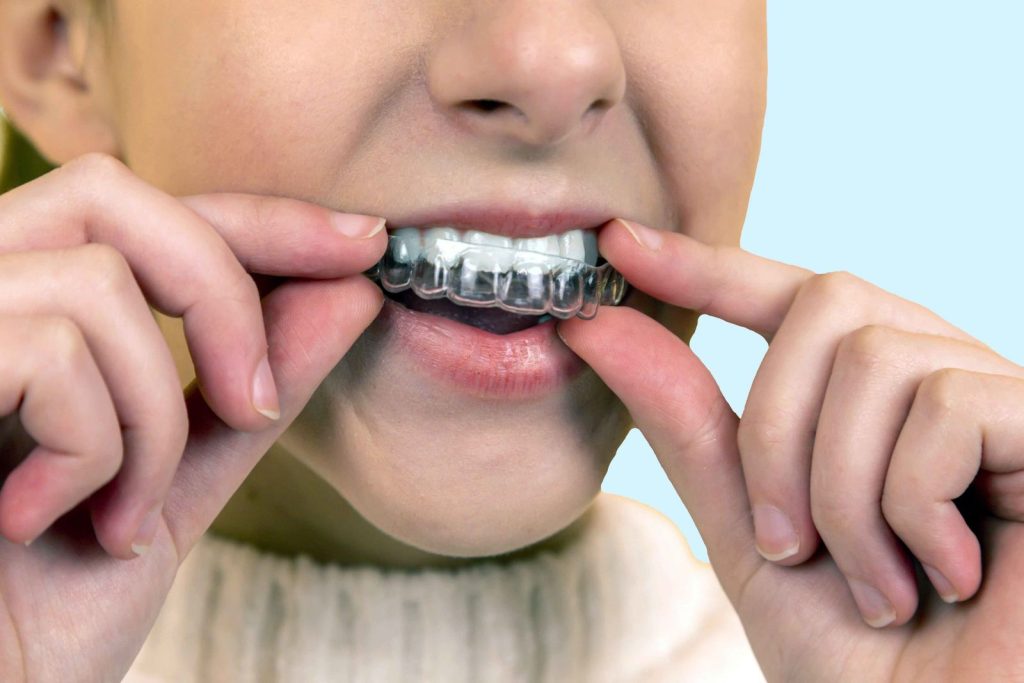
Invisalign is a widely recognised orthodontic treatment that uses clear, removable aligners to straighten teeth. Many people choose it because it is discreet, comfortable, and allows for easier oral hygiene compared to traditional braces. Many patients researching treatment options want to know the cost of Invisalign before starting their journey. Understanding the factors that affect pricing, typical ranges, and payment options can help patients plan their treatment effectively.
Factors That Affect Invisalign Cost
The total cost of Invisalign depends on several important factors. One of the biggest factors is the complexity of the case. Mild misalignment or small gaps usually require fewer aligners and a shorter treatment period, resulting in lower costs. More severe cases, such as crowded teeth or bite issues, require longer treatment and more aligners, which increases the total price.
The location of the dental clinic is also an important factor. Clinics in large cities or areas with high demand typically charge more than those in smaller towns. Highly skilled orthodontists may charge higher fees, but their expertise can result in more accurate and efficient treatment.
Average Cost of Invisalign
On average, Invisalign treatment can range from $3,000 to $8,000, depending on the complexity of the case and other factors. This price usually includes the initial consultation, all sets of custom-made aligners, follow-up visits, and any necessary adjustments throughout treatment. While Invisalign can be more expensive than traditional braces, many patients find the comfort, appearance, and convenience worth the investment.
Payment and Financing Options
Since the cost can be high, many dental clinics offer flexible monthly payment plans to accommodate a range of budgets. These plans allow patients to spread the total cost over several months, making treatment more affordable and easier to manage. Some insurance plans may also provide partial coverage for orthodontic treatment, which can help reduce out-of-pocket expenses. Planning finances ahead of time ensures that patients can start treatment with confidence and avoid unexpected financial stress.
Other Considerations
Before starting Invisalign treatment, it is essential to undergo a comprehensive dental checkup. Any existing issues, such as cavities or gum disease, should be addressed first. Patients should also maintain excellent oral hygiene during treatment, as aligners are removed while eating, and food particles can lead to dental problems if not cleaned properly. Wearing the aligners for the recommended 20–22 hours per day is essential for achieving the best results.
Conclusion
Invisalign offers an effective and convenient solution for straightening teeth. While the cost may be higher than traditional braces, understanding the factors that affect pricing and exploring payment options can help patients manage expenses. By planning financially, following the orthodontist’s instructions, and maintaining good oral care, patients can enjoy a healthy, straight smile and the benefits of clear, comfortable aligners.