

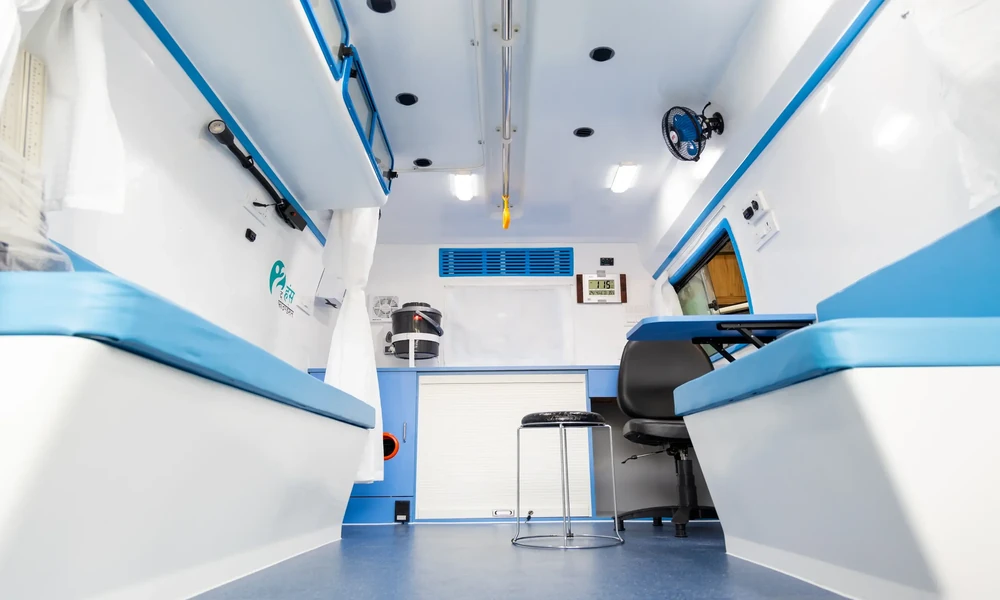
Healthcare is trending toward reaching patients outside the confines of the healthcare clinic or hospital. Mobile Healthcare Units provide medical units to communities, workplaces, schools, rural areas and where access is limited. But the effective mobile health unit needs to go beyond just moving from place to place. It should aim to provide a safe, professional and trusted experience for patients in all care settings.
To bridge the gap between stationary facilities and mobile care, Designing Road Ready Healthcare Units requires a deliberate focus on balancing structural integrity with high-quality patient care. Transforming a vehicle into a dependable medical hub means every square foot must be engineered for both transit resilience and clinical efficiency. When designed thoughtfully, these mobile units serve as more than just vehicles on the move-they become modern extension arms of healthcare systems that instantly establish credibility, soothe patient anxiety, and foster immediate trust the moment a patient steps inside.
Start with the Purpose of the Unit.
It is important to first decide on the type of health care services to be provided in the design process. The screening setup could be organised differently than any other appointment, such as a dental appointment, vaccination appointment, diagnostic appointment or specialist consultation. If the purpose is understood, it gives a better chance of each feature being in place to meet patients’ and healthcare staff’s needs.
Prioritise Road-Ready Construction
A healthcare unit should be able to travel on different types of roads and in regular travel. The durability of the unit’s construction, the strength of equipment mounting, the reliability of its suspension and adequate protection for its inside systems can help preserve unit performance while it is being transported. Access to the road is critical to access to healthcare services.
Make an Innovative Interior
Patients need to feel comfortable and comfortable in a mobile health unit. A well-organised, clean and professional interior can make a positive imprint on the first impression. Consultation and treatment areas must have adequate space for equipment, storage and the movement of staff.
Support Patient Privacy
Trust is an important component of privacy. The design should ensure proper separation of exam and treatment areas, take into account sound control and secure storage of patients’ information. Knowing that their personal information and conversations are secure will make the patient feel more comfortable.
With reliable power and climate control.
Reliable power is needed for medical equipment and digital systems. Patients’ and staff comfort in a hospital room through climate control, ventilation and insulation are also vital. Reliability of the utility infrastructure is critical to providing continuous services when the unit is away from the traditional utility infrastructure.
Integrate Technology Carefully
Mobile healthcare units can benefit from digital health records, telemedicine, diagnostic systems, and secure communication tools to help bring their capabilities to the forefront. The use of technology to support the medical staff is welcome but needs to be used in a manner that does not make the medical environment unnecessarily complex.
Consider Accessibility
A healthcare unit should be able to cater for a diverse patient clientele and should be road-ready. Care must be taken as to entry points, steps and ramps, as well as the placement of equipment for internal movement. Planning for accessibility can help to improve the comfort for more people to access services.
Follow Robust practices for a consistent professional image.
The facade of a mobile medical unit may have an impact on the general public’s opinion. By ensuring that the branding is clear, the design is professional, and there is visible information, the patient will be more confident about the care being offered and understand the purpose of the unit.
Overall, creating a health unit that is suitable for the road requires weighing mobility, medical capabilities, patients’ comfort, and patients’ trust. A better experience can be created beyond the confines of the clinic through durable construction, privacy, reliability, accessibility, and professional appearance.