

If you have never visited a Traditional Chinese Medicine (TCM) clinic before, the list of treatments can feel a little overwhelming. Acupuncture, tuina, bone adjustment, herbal remedies, meridian therapy: what is the difference, and which one might suit your needs?
This guide explains some of the most common TCM treatments in simple terms, so you can walk into your first consultation feeling more confident.
The Basics of TCM
TCM is built on the idea that health depends on balance in the body and the smooth flow of qi (vital energy) and blood through channels called meridians. When this flow is disrupted, practitioners believe discomfort, pain or other imbalances may appear.
Rather than focusing only on symptoms, TCM looks at the whole person. Your practitioner may consider your lifestyle, diet, sleep, stress and body constitution before recommending treatment.
Acupuncture
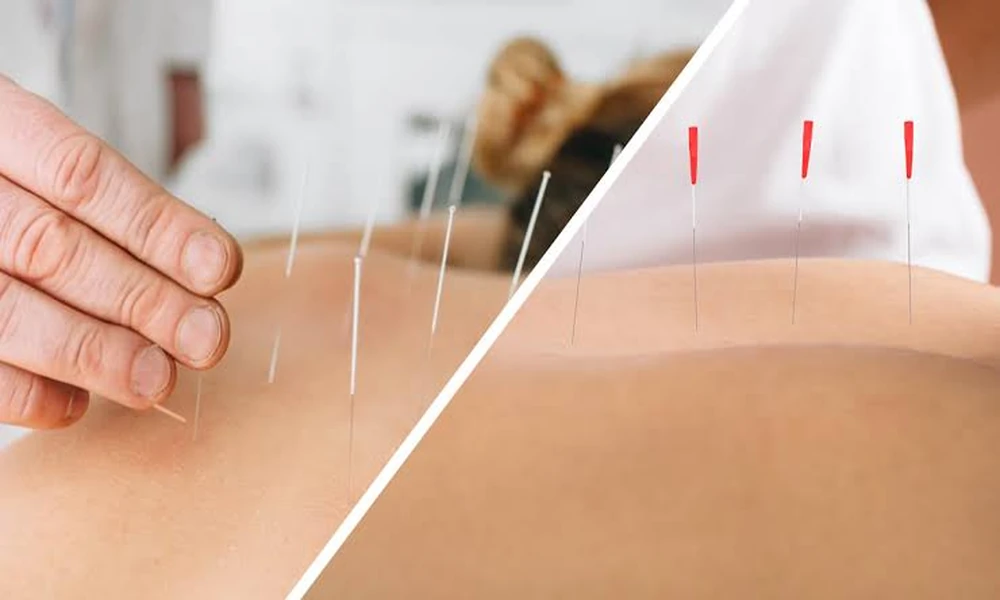
Acupuncture is probably the best-known TCM therapy. Very thin, sterile, single-use needles are inserted at specific points on the body. Most people feel only a light prick, followed by a dull or heavy sensation around the point. Needles are usually left in for 20 to 30 minutes while you rest.
People use acupuncture for many reasons, including muscle tension, stress and general wellbeing. If you are nervous about needles, say so before treatment begins. Your practitioner can explain each step and start gently.
Tuina
Tuina is a therapeutic Chinese massage. It uses pushing, kneading, rolling and pressing techniques along muscles, joints and acupoints. Unlike a spa massage, tuina focuses on specific problem areas and can feel quite firm.
Tuina is popular for neck and shoulder stiffness, back tension and muscle tightness. It is also often combined with acupuncture in the same session. Tell the practitioner if the pressure feels too strong.
Bone Adjustment
Bone adjustment uses gentle manual techniques to improve joint movement and alignment. It is commonly used for back, neck and posture-related concerns. A skilled practitioner will assess your movement before treatment and work carefully within your comfort level.
Other Common Therapies
- Herbal remedies: formulas prescribed according to your body constitution and condition
- Herbal baths: warm, relaxing baths using traditional herbs
- Meridian therapy: techniques that work along the body’s meridian lines to support circulation
- Fascia treatment: methods aimed at releasing tightness in connective tissue
Many clinics combine several of these therapies, depending on what you have discussed with the practitioner and how you respond over time.
Which Treatment Is Right for You?
The honest answer is that it depends on your needs, and your practitioner is the best person to guide you. When people search for a Singapore best TCM clinic, they may expect one treatment to suit every concern. In practice, a good practitioner recommends methods based on your consultation and adjusts them as you progress.
For example, a runner with a strained calf might visit a TCM clinic for sports injury and receive a mix of acupuncture and tuina to ease tightness, along with advice on stretching and returning to training. An office worker with ongoing shoulder stiffness may be advised to try regular tuina and bone adjustment. These are examples, not fixed recipes.
If ongoing aches are your main concern, a TCM clinic for pain management can recommend a combination of therapies and explain how many sessions you may need. Ask why each treatment has been suggested and what you should expect afterwards.
How Often Should You Go?
Frequency depends on your goals. For a specific problem, practitioners often suggest one or two sessions a week at first, then spacing them out as you improve. For general wellness or stress relief, many people visit once or twice a month. Consistency matters more than intensity, so choose a routine you can realistically keep.
What to Expect at Your First Visit
Your first appointment usually begins with a consultation. Your practitioner may ask about your health history, check your pulse and look at your tongue, which are traditional TCM diagnostic methods. Wear comfortable, loose clothing so the treatment areas are easy to reach.
After treatment, drink water and rest. Mild soreness is normal after tuina or acupuncture and usually fades within a day. Let your practitioner know about any medication you take, any pregnancy or any existing medical conditions before treatment begins.
Final Thoughts
TCM offers a range of treatments, each with its own purpose. You do not need to know everything before your first visit. Share your concerns honestly, ask questions and let a registered practitioner guide you. With a treatment approach that feels suitable for you, TCM can become a helpful and relaxing part of your health routine.