

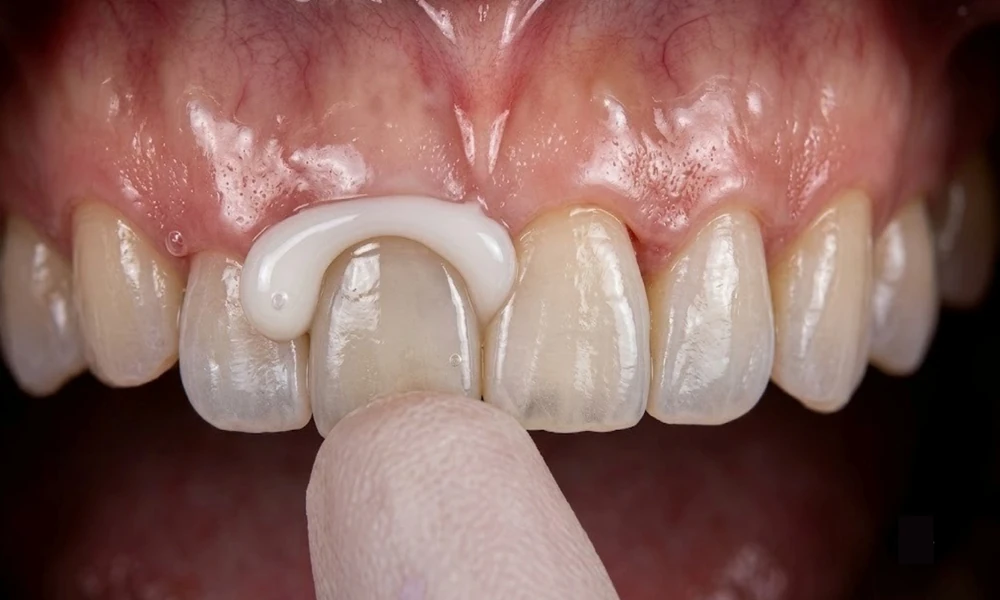
You leave the appointment thinking the hard part is over, then your gum starts feeling sore, puffy, or oddly tender around the new crown. That can be unsettling, especially when you expected the tooth to feel better, not more noticeable. In many cases, the issue is simple but worth attention, and an experienced dentist in SW Calgary can help identify the cause. A small amount of excess cement left around a crown can irritate the gumline, trap plaque, and make healing harder than it needs to be.
Cement cleanup after dental crowns is not a cosmetic detail. It affects how your gums respond to the new restoration and how comfortable the tooth feels in the days and weeks after placement. Clean margins, good brushing, and a quick follow up when something feels off can prevent a minor irritation from turning into ongoing inflammation.
Excess crown cement can inflame the gumline around a new restoration
When a crown is bonded or cemented into place, the material has to seal the tooth securely. If a thin ring or small fragment stays below or along the gumline, your body often reacts fast. The gum may look red, feel swollen, or bleed when you brush. Some people notice a bad taste, pressure when flossing, or the sense that something is stuck there. That feeling is sometimes exactly what is happening.
The problem gets worse because leftover cement creates a rough area where plaque collects more easily. According to the National Institute of Dental and Craniofacial Research guidance on oral hygiene, plaque control is central to keeping gums healthy. A crown can be beautifully made, but if the edge is not fully cleaned or the area is hard to keep clean, the gumline can stay irritated.
This is where people often get frustrated. You paid for a restoration that should protect the tooth, yet the tissue around it feels more sensitive than before. That does not always mean the crown has failed. It often means the area needs evaluation, cleaning, and sometimes a small bite adjustment if pressure on the tooth is adding to the irritation.
Gum irritation after crown placement can look minor at first and still need care
A little tenderness for a day or two is common after dental work. Persistent swelling is different. If your gum still looks inflamed after several days, or if floss shreds, catches, or smells unpleasant in one spot, the crown margin needs a closer look. Removing excess cement from dental crowns can be straightforward when caught early. When it sits there for longer, the tissue can become chronically inflamed and more difficult to calm down.
Research on cement around implant restorations has shown that retained dental cement can trigger significant tissue inflammation, which helps explain why cleanup matters so much near any restoration margin. You can review that concern in this published article on retained cement and peri-restoration tissue problems. Natural teeth and implants are not the same, but the shared lesson is clear. Foreign material left under the gumline can keep tissues angry.
You might also wonder whether the soreness is just normal recovery. A general rule is this: symptoms should trend better, not worse. If the area is becoming more swollen, more tender, or harder to clean, it is time to call your dentist. MedlinePlus offers a useful overview of dental crown placement and aftercare, including the need to monitor for pain and irritation that does not settle.
Home care helps, but professional crown cement removal protects the gumline better
It is tempting to poke at the area with a floss pick, a toothpick, or your fingernail when something feels caught near the crown. That usually makes the gum more inflamed and can miss the actual problem. Cement can sit in a narrow space you cannot see, and forcing tools under the gum can scratch the tissue or loosen the margin if you are too aggressive.
| Approach | What It Can Help With | Main Limits or Risks |
|---|---|---|
| Gentle brushing and flossing at home | Removes plaque, reduces mild surface irritation, helps you monitor bleeding or tenderness | Cannot safely remove deeper retained cement, may irritate tissue if the area is forced |
| Warm salt water rinses | Can soothe sore gums for a short time | Does not fix trapped cement or a rough crown margin |
| Professional exam and cleanup | Identifies excess cement, checks crown fit, checks bite, removes debris precisely | Requires an appointment, though early care is usually simpler and less costly |
This is why a general and cosmetic dentist will usually check the contact, bite, and crown margin when you report lingering gum discomfort. The issue may be excess cement, a crown edge that is hard to clean, or trauma from biting too heavily on that side. The right fix depends on the source, not just the symptom.
Three steps you can take right away when a new crown irritates your gums
Watch the pattern, not just the pain. Mild tenderness that fades is common. Redness, bleeding, trapped-food feeling, or swelling that stays the same or worsens after a few days deserves attention. If one exact spot keeps bothering you, that detail matters.
Keep the area clean without digging at it. Brush gently along the gumline with a soft brush. Floss carefully and slide the floss out to the side if the area is tender. A warm salt water rinse can help you stay comfortable, but do not try to scrape under the gum yourself.
Schedule a prompt recheck for post-crown gum irritation. A short follow up visit can save you weeks of irritation. If excess cement is present, early removal is usually simpler. If the bite is high or the margin needs polishing, that can often be corrected quickly.
Healthy gums help a new crown last longer
A crown protects a damaged tooth, but your gumline still has to live with that restoration every day. When the tissue around it is calm, clean, and easy to maintain, the whole tooth tends to do better. When irritation lingers, small problems can become stubborn ones.
If your new crown feels off, trust that instinct. You are not overreacting. Crown cement removal and a careful gumline check are simple steps that can make a real difference in comfort and long term health. Reach out to your dental office and ask for a follow up evaluation with a general and cosmetic dentist.