
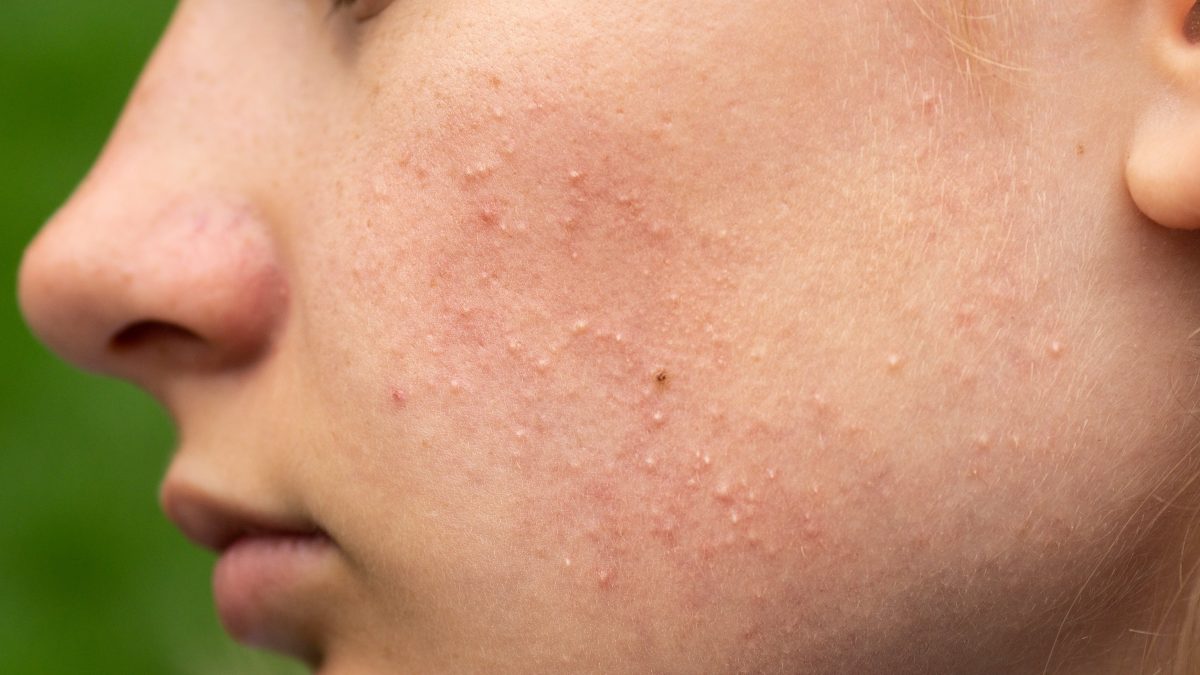

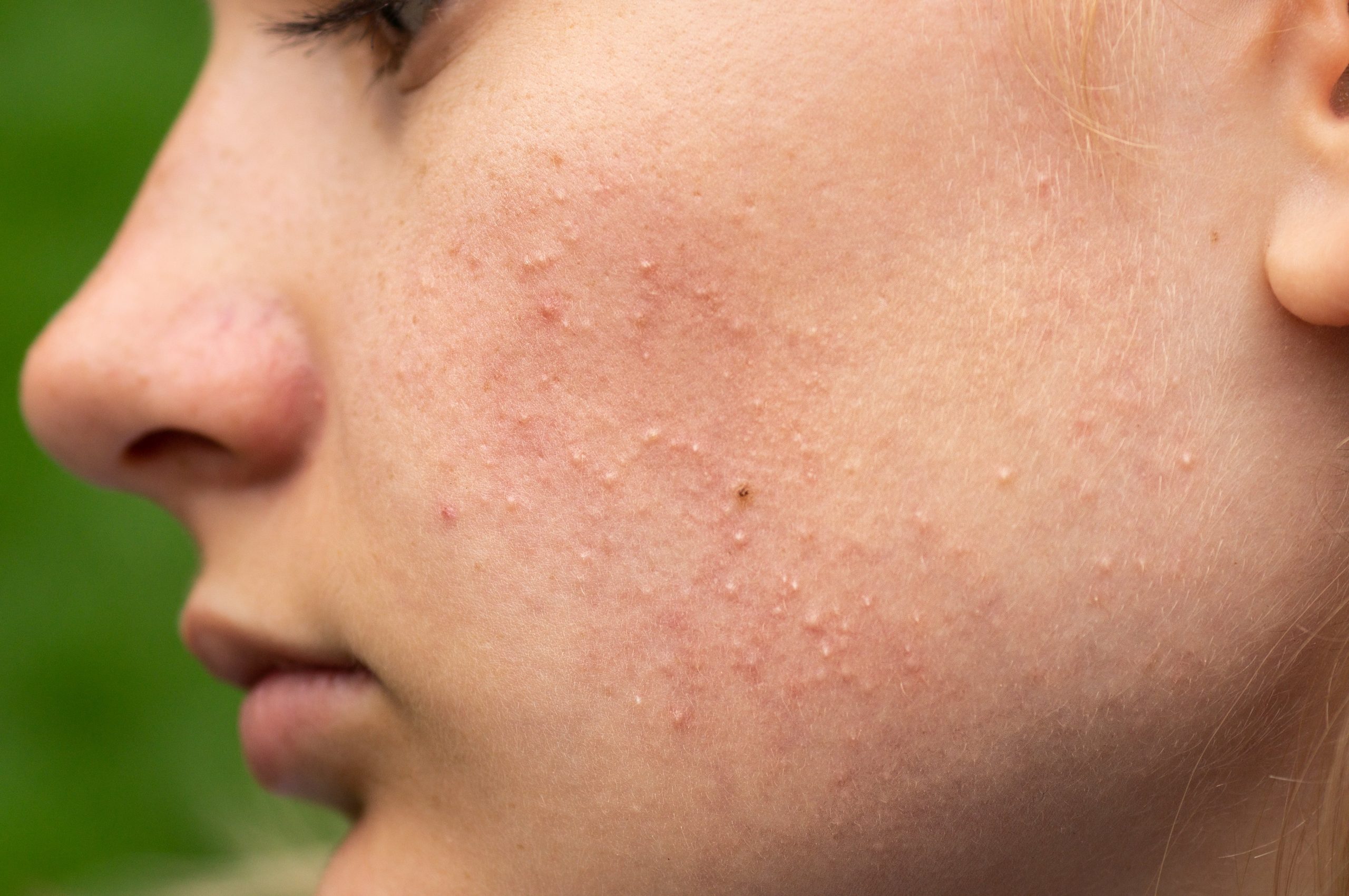
Comedones are one of the most common—and misunderstood—skin concerns in the beauty and aesthetic space. They often appear as tiny bumps, rough texture, or clogged-looking pores, especially on the nose, forehead, chin, and cheeks. While many people immediately label them as “acne,” comedones can exist on their own and may require a different approach than inflamed breakouts.
For anyone dealing with persistent congestion, understanding what Comedones (สิวอุดตัน, which is the term in Thai)are and why they form is the first step toward clearer, smoother skin.
What are comedones?
Comedones are clogged hair follicles (pores) filled with a mix of sebum (oil), dead skin cells, and sometimes bacteria. They develop when the pore opening becomes blocked, trapping debris inside. Comedones are considered non-inflammatory acne lesions, meaning they don’t typically show redness, swelling, or pain—unless they progress into pimples.
Many people notice them as:
- Bumpy texture under makeup
- Roughness on the forehead or jawline
- “Dots” on the nose that don’t disappear easily
- Skin that looks dull despite cleansing
Types of comedones
There are two main types:
1) Open comedones (blackheads)
These occur when the pore remains open at the surface. The dark colour is not “dirt”—it’s oxidation, which happens when the trapped material is exposed to air.
2) Closed comedones (whiteheads)
These form when the pore opening is sealed by skin. The clog stays under the surface, creating a small, skin-colored or whitish bump. Closed comedones often feel like tiny grains beneath the skin and can be more stubborn to treat.
What causes comedones?
Comedones usually form due to a combination of factors, including:
- Excess oil production: More sebum increases the chance of pore blockage.
- Slow skin cell turnover: Dead cells accumulate and mix with oil within the pore.
- Comedogenic skincare or makeup: Heavy products can contribute to congestion.
- Hormonal changes: Androgens can increase oil production and clogging.
- Humidity and occlusion: Sweat, masks, and heavy creams may worsen pore congestion.
- Improper cleansing routines: Over-cleansing can irritate skin; under-cleansing can leave residue.
When these factors stack up, Comedones can become a recurring issue, especially in combination with oily or acne-prone skin.
How to treat comedones effectively
The most reliable approach focuses on unclogging pores, balancing oil, and supporting gentle exfoliation—without damaging the skin barrier.
1) Use a gentle cleanser consistently
A harsh cleanser can strip the skin and trigger more oil production. A gentle cleanser helps remove excess oil, sunscreen, and makeup without increasing irritation.
2) Add pore-clearing exfoliants
Certain ingredients are invaluable for comedones:
- Salicylic acid (BHA): Oil-soluble, penetrates pores to break down clogs.
- Retinoids/retinol: Encourages cell turnover and helps prevent new blockages.
- Mild AHAs: Can smooth texture and support surface-level exfoliation.
Introduce actives slowly (2–3 times a week) and increase only if skin tolerates them.
3) Avoid over-extraction and aggressive scrubs
Physical scrubs and frequent extractions can cause microtears, inflammation, and post-acne marks—especially in closed comedones.
4) Choose non-comedogenic products
Skincare and makeup labelled “non-comedogenic” are less likely to clog pores, though individual reactions can still vary.
5) Prioritise sunscreen daily
Exfoliating ingredients increase sun sensitivity. Daily SPF helps prevent dark marks and keeps the skin barrier stable.
When to see a professional
If comedones persist for months, worsen despite a consistent routine, or progress to inflamed acne, a dermatologist or licensed aesthetic provider may recommend professional options such as chemical peels, prescription retinoids, or guided extraction.
For more guidance on managing Comedones in oily and acne-prone skin, Bioderma’s educational resources can help clarify causes and safe care strategies.
Final takeaway
Comedones are not a sign of “dirty” skin—they’re a result of clogged pores caused by oil, dead skin buildup, and lifestyle or product triggers. With a gentle cleansing routine, smart exfoliation, and non-comedogenic choices, most people can reduce congestion and improve skin texture over time. Consistency matters more than intensity, and protecting the skin barrier is the key to long-term improvement.
