

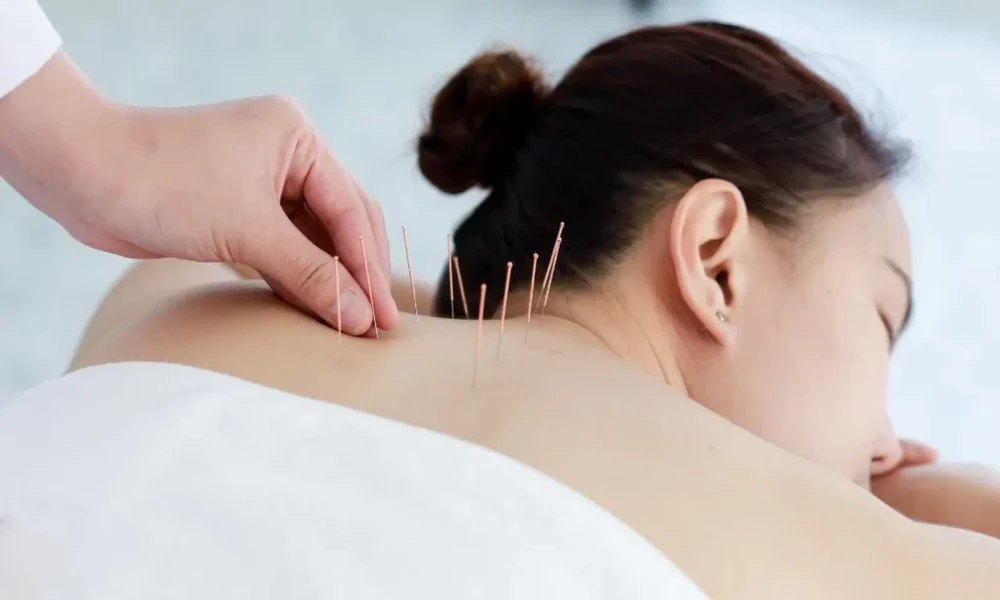
In Traditional Chinese Medicine, the body’s baseline tendencies guide the treatment. Some people feel warm easily, others feel the cold. Some tire quickly, while others carry tension in their muscles. TCM calls these patterns a person’s constitution, or body type, and a Singapore Top TCM Clinic plans care around it as much as around the symptom.
What Your Body Type Means in TCM
Your body type is the body’s usual state when nothing is acutely wrong. It covers how a person handles heat and cold, how well they digest, and how much energy they have through the day. These tendencies are partly inherited and partly built by diet, stress, and daily habits. Someone with a cold body type, for instance, may always reach for a jacket in an air-conditioned office. No one type is better than another, and each brings its own strengths and weak spots. In TCM theory, illness often appears where the body type is already weak.
The Common Body Types
TCM describes several body types, and most people are a mix of a few. A balanced type handles heat, cold, and stress well. A qi-deficient type tires easily and catches colds often. A yang-deficient type feels cold and prefers warm food and drink. A yin-deficient type feels hot and dry, with restless sleep. A damp-heat type is prone to oily skin and irritability. A blood-stasis type bruises easily and gets sharp, fixed aches. A physician usually finds one or two that stand out and treats those first.
Finding Your Baseline
Identifying a body type takes more than one symptom. The physician asks how the patient sleeps, eats, and copes with hot or cold weather, then checks the tongue and pulse for extra clues. Y TCM sets aside time at the first consultation to map this baseline before recommending anything. Its physicians then explain which tendencies stood out and why they guide the plan. Rushing this step risks treating the symptom while missing the pattern behind it.
Your Body Type Can Change Over Time
Body type is not fixed for life. It changes with age, seasons, illness, and long periods of stress or poor sleep. A plan that fits now may need adjusting in a year. This is why a physician rechecks the body type at later visits instead of assuming it has stayed the same.
Tailoring the Treatment to Your Type
Once the body type is clear, the treatment is adjusted to fit it. For a cold, yang-deficient patient, the physician may add moxibustion or warming herbs. For a hot, yin-deficient patient, the approach stays gentler and cooling. The physician also adjusts acupoints, needle depth, and Tuina pressure to the person. A damp patient may be told to cut cold drinks and raw food, while a dry one is pointed toward more fluids and rest. The season plays a part too, and in Singapore’s humid climate a damp body type can feel worse.
Ask Why Your Plan Looks the Way It Does
A good physician can tell you why your body type led to the plan you were given. Clear reasoning shows the care was built around you instead of copied from a set routine. Before your next session, ask how your body type guided the treatment. The answer tells you how closely the clinic tailors care to each patient.