

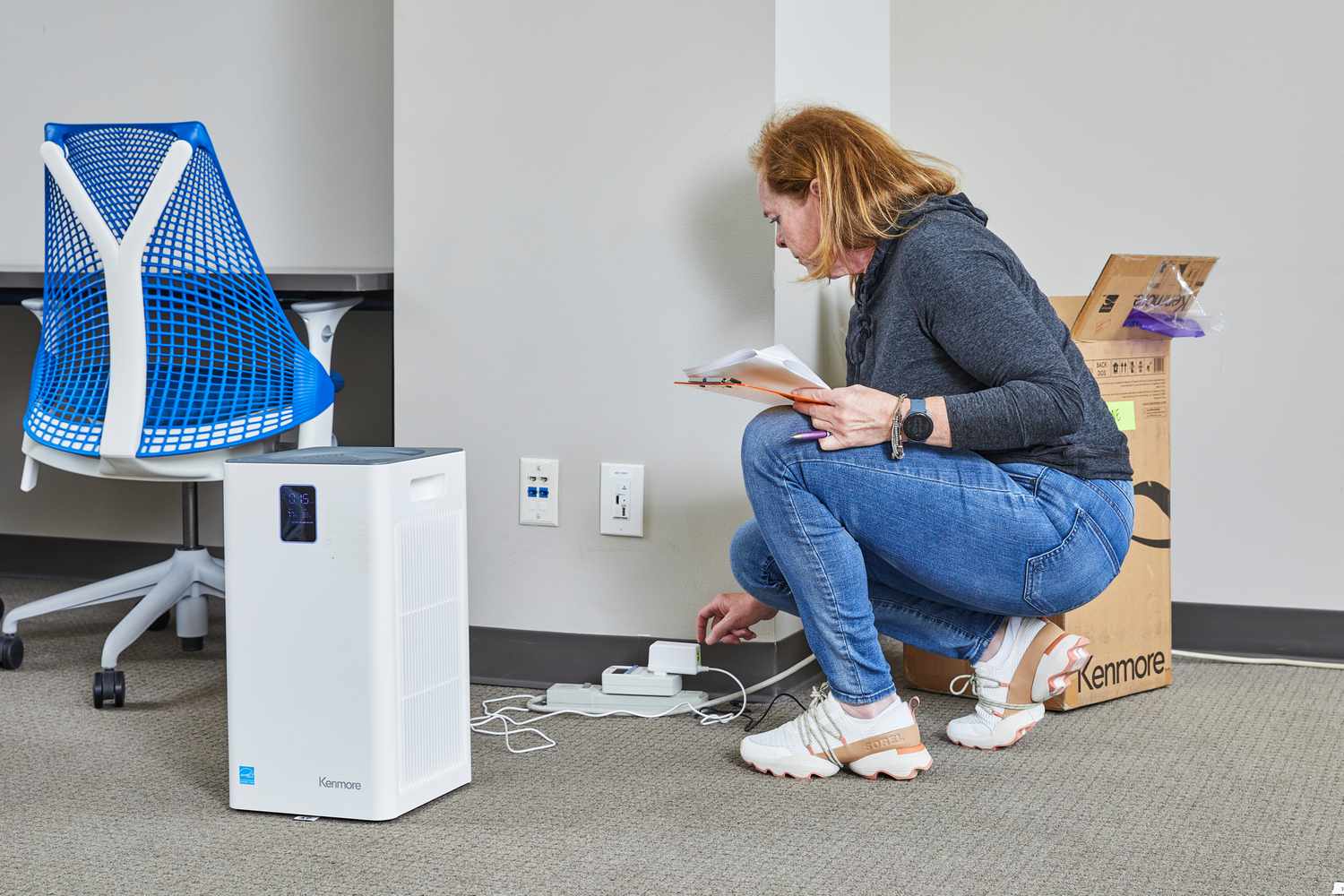
Indoor air quality is seriously threatened by mold growth in homes, which can also result in a number of health issues. Although there are several ways to fight mold, air purifiers have become a useful tool for mold prevention. Air purifiers help create a healthier living space by efficiently removing mold spores from the air. This article examines the function of air purifiers in preventing mold growth and how they might be used into an all-encompassing home security plan.
Filtering Out Mold Spores Using Air Purifiers
Air purifiers for mold are effectively equipped with high-efficiency particulate air (HEPA) filters to capture mold spores. These filters trap mold spores and other small particles, preventing them from flying around and landing on surfaces where they can proliferate. Air purifiers assist prevent the establishment of new mold colonies and lessen the chance that pre-existing mold issues will worsen by lowering the quantity of mold spores in the air.
Enhancing a More Comprehensive Approach to Mold Prevention
Air purifiers reduce airborne mold spores, however they do not cure mold. Combine them with other mold prevention methods for comprehensive protection. Addressing mold growth starts with finding and repairing moisture sources. Check for and remedy window, plumbing, and roof leaks immediately. Ensure adequate ventilation, especially in damp areas like kitchens and toilets. Mold growth can be prevented by reducing humidity with exhaust fans and open windows. Integrating air-purifying characteristics with moisture control and ventilation makes mold avoidance more durable and effective.
Frequent Upkeep: An Essential Step
For air purifiers to prevent mold as effectively as possible, regular maintenance is essential. To preserve their efficacy, HEPA filters should be changed as directed by the manufacturer, usually every six to twelve months. To keep bigger particles from clogging and decreasing airflow, pre-filters that capture them should be cleaned on a regular basis. To get rid of dust and debris, the air purifier itself should also be cleaned on a regular basis.
Managing Humidity: Stopping the Growth of Mold
Since mold grows best in moist conditions, regulating humidity is crucial to stopping its spread. To a certain degree, air purifiers can lower humidity levels, but in humid climates or places with significant moisture content, extra precautions might be required. By efficiently eliminating surplus moisture from the air, dehumidifiers help reduce the growth of mold. Additionally, proper ventilation and insulation can help control humidity levels and avoid condensation.
Conclusion
Homeowners can create a more comfortable and healthy living space by incorporating air purifiers into a comprehensive mold prevention approach. This strategy must include regular maintenance, humidity control, and moisture source management. You may successfully fight mold and shield your house from its negative effects by taking preventative measures and using air purifiers.