

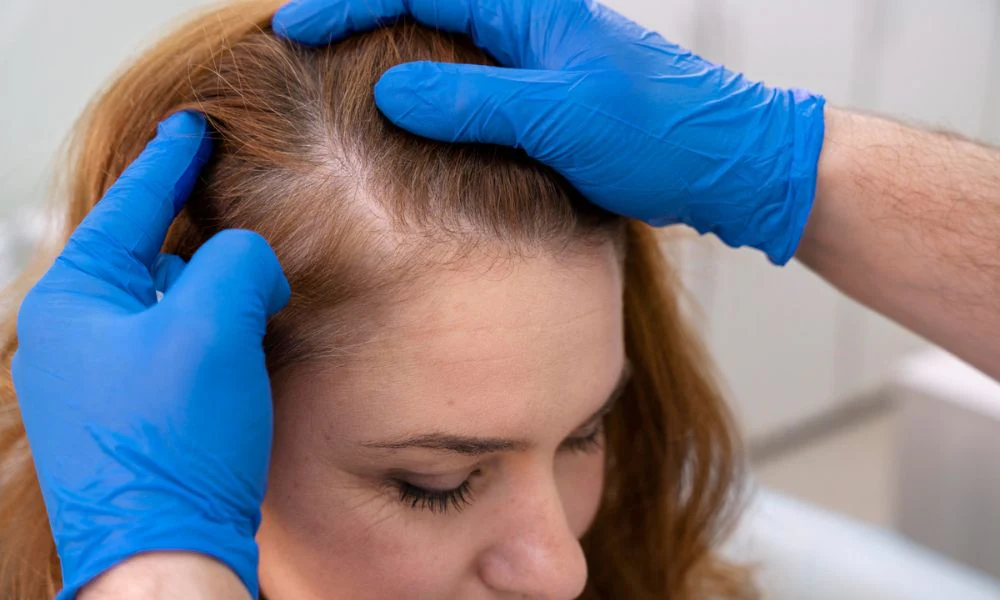
When we think about hair health, we often focus on external treatments like shampoos, oils, and conditioners. However, there’s a hidden factor influencing hair growth that most of us overlook—the scalp microbiome. Just like your skin, your scalp is home to trillions of microorganisms, including bacteria, fungi, viruses, and yeast. The health of these microorganisms plays a pivotal role in the condition of your scalp and the strength of your hair.
Understanding your scalp microbiome and how it influences hair growth is crucial for achieving long-term, healthy hair. This article delves deep into the secrets of your scalp’s microbial ecosystem and how you can optimize it for unstoppable hair growth.
The Unseen Kingdom: What is the Scalp Microbiome?
The scalp microbiome is an intricate community of microbes that live on your scalp’s surface. These microorganisms play an essential role in maintaining the balance of your scalp’s health, which directly impacts hair growth. Let’s break it down:
Defining the Scalp Microbiome
- The Microbial Ecosystem: Your scalp, much like the skin on the rest of your body, is covered with a variety of microbes. These include bacteria, fungi, viruses, and yeast. A balanced microbiome supports scalp health, whereas imbalances can lead to conditions like dandruff, inflammation, and even hair loss.
- Types of Microbes: The good bacteria keep harmful pathogens in check. Harmful bacteria and fungi, on the other hand, can disrupt the scalp’s natural state and impede hair growth.
The Connection Between Scalp Health and Hair Growth
- A healthy microbiome is crucial for nourishing hair follicles and promoting optimal hair growth.
- Scalp conditions like dandruff and seborrheic dermatitis are often linked to imbalances in the microbiome.
Understanding the Role of Microbes in Hair Growth
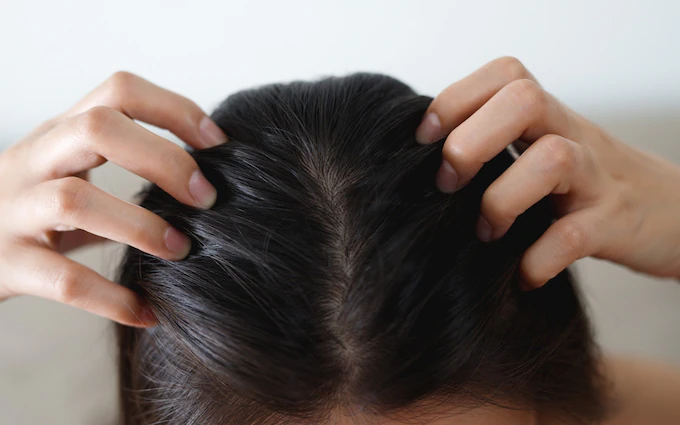
Your scalp microbiome’s health is directly tied to hair growth. Microbes play an essential role in regulating inflammation, blood circulation, and the health of hair follicles. Here’s a closer look at how microbes impact your hair:
Beneficial Microbes and Their Impact on Hair Health
- Good Bacteria: These microorganisms help balance the scalp by fighting off harmful pathogens and maintaining a healthy environment. By keeping inflammation at bay, they create the perfect environment for hair follicles to thrive.
- Follicle Nourishment: The health of your hair follicles is directly linked to the microbial health of your scalp. When the scalp is healthy, follicles get the nutrients they need, leading to stronger and faster-growing hair.
The Dangers of an Imbalanced Microbiome
- Overgrowth of Harmful Microbes: Conditions like dandruff or fungal infections occur when harmful microbes like Malassezia overtake the beneficial ones. This leads to inflammation, follicle damage, and hair thinning.
- Scalp Inflammation: Microbial imbalance can trigger inflammation, which can damage hair follicles and hinder hair growth.
Scalp Imbalance: Triggers and Causes of Microbiome Disruption
Your scalp microbiome is incredibly sensitive to a variety of internal and external factors. Here are the most common triggers that cause imbalance:
Environmental Factors
- Pollution and UV Exposure: Pollution and exposure to the sun can damage the scalp’s microbiome. Toxic chemicals in the air and UV radiation break down the protective barrier of the scalp, making it easier for harmful microbes to thrive.
- Hair Care Products: Many shampoos and conditioners contain harsh chemicals, such as sulfates and parabens, that can strip the scalp of its natural oils and disturb microbial balance.
Lifestyle Factors
- Stress: Stress has been shown to increase inflammation and disrupt the delicate balance of your scalp’s microbiome. Elevated cortisol levels can lead to scalp conditions that impede hair growth.
- Diet: A diet rich in sugar and processed foods can lead to an overgrowth of harmful microbes on the scalp. In contrast, a balanced diet nourishes the microbiome and promotes healthy hair growth.
Underlying Health Conditions
- Hormonal Imbalances: Conditions like polycystic ovary syndrome (PCOS) and thyroid issues can alter scalp health and disrupt microbial balance.
- Medications: The use of antibiotics, for example, can wipe out both harmful and beneficial bacteria on your scalp, leading to imbalance and compromised hair health.
Restoring Balance: How to Maintain a Healthy Scalp Microbiome for Optimal Hair Growth
Now that you understand the role of the scalp microbiome, let’s dive into practical steps for restoring and maintaining balance:
Choosing the Right Hair Care Products
- Gentle, Microbiome-Friendly Shampoos: Opt for hair products free of sulfates, parabens, and other harsh chemicals. Look for shampoos with prebiotics and probiotics that support the growth of beneficial bacteria.
- Soothing Botanicals: Ingredients like aloe vera, chamomile, and lavender have calming properties that reduce inflammation and maintain a balanced microbiome.
Natural Methods to Support Scalp Health
- Essential Oils: Tea tree oil, peppermint oil, and rosemary oil are known for their antimicrobial properties. These oils can help restore balance and reduce the overgrowth of harmful bacteria and fungi.
- Scalp Masks: Natural treatments like honey, yogurt, and coconut oil can act as soothing masks for the scalp, nourishing the skin and promoting a healthy microbial environment.
Diet and Nutrition: Feeding Your Scalp’s Microbiome
- Probiotic-Rich Foods: Foods like yogurt, kefir, and kimchi can help maintain a healthy balance of beneficial bacteria in your scalp.
- Omega-3 Fatty Acids: Include foods like salmon, flaxseeds, and walnuts in your diet to reduce inflammation and support scalp health.
Stress Management and Its Impact on Your Scalp Microbiome
Stress is one of the most significant factors in disrupting your scalp’s microbial balance. Here’s how stress impacts your hair growth and what you can do about it:
How Stress Disrupts the Scalp Microbiome
- Stress triggers an increase in cortisol levels, which can lead to scalp inflammation and microbial imbalance. This can ultimately result in hair thinning or shedding.
Stress Reduction Techniques for a Healthy Scalp
- Meditation and Yoga: Regular meditation and yoga sessions can help reduce stress and lower cortisol levels, promoting a healthier scalp.
- Exercise: Physical activity boosts circulation, which nourishes hair follicles and supports a healthy scalp.
Advanced Treatments and Emerging Trends for Scalp Microbiome Health
As science continues to unravel the mysteries of the scalp microbiome, several emerging treatments are gaining attention:
Scalp Microbiome Therapies: The Future of Hair Growth
- Probiotic Scalp Treatments: These treatments use live microorganisms to restore balance to the scalp microbiome. Probiotic-infused shampoos and serums are becoming popular for their ability to promote a healthier scalp environment.
The Science Behind Scalp Microbiome Transplants
- Microbial Transplants: Research suggests that microbial transplants—introducing healthy microbes to the scalp—could be a groundbreaking solution for treating severe scalp conditions and promoting hair growth.
The Link Between Your Gut and Scalp Microbiome
Did you know that the health of your gut can directly affect your scalp microbiome? Let’s explore this fascinating connection:
Gut Health’s Effect on the Scalp
- Gut-Skin-Hair Connection: An imbalance in the gut microbiome can lead to systemic inflammation, which can affect your scalp and contribute to hair loss. Healing the gut can have a positive impact on scalp health.
Supporting Both Gut and Scalp Microbiome
- Balanced Diet: Eating a diet that supports both your gut and scalp microbiomes is crucial for overall health. Probiotics, fiber, and fermented foods are all great for nurturing both ecosystems.
Red Flags: Signs Your Scalp Microbiome Needs Attention
How do you know if your scalp microbiome is out of balance? Here are the signs to watch out for:
Visible Symptoms of Imbalance
- Dandruff, Itching, and Redness: These common signs can indicate that your scalp’s microbiome is out of balance.
- Hair Thinning or Loss: An imbalanced microbiome can lead to scalp inflammation, affecting the health of your hair follicles and slowing down hair growth.
Behavioral Symptoms
- Increased Shedding: If your hair seems to be shedding more than usual, it could be due to scalp inflammation caused by microbial imbalance.
Key Takeaways: Unlocking Your Scalp’s Potential for Unstoppable Hair Growth
Maintaining a healthy scalp microbiome is the key to achieving the hair growth you’ve always desired. By incorporating the right hair care products, managing stress, and improving your diet, you can create the optimal environment for hair follicles to thrive. A balanced microbiome fosters a healthy scalp, which ultimately leads to unstoppable hair growth. Start caring for your scalp today, and watch your hair flourish!