

Somewhere between “it is just stress, it will come back” and “time to look at transplant options” sits a large, confused middle ground where most men and women dealing with hair loss actually live. The thinning has become noticeable, the home remedies have not done much, but the idea of surgery feels premature.
PRP therapy for hair loss exists precisely for this stage, and the science behind it is more grounded than most people expect from something that does not involve a scalpel.
What Is Platelet Rich Plasma and Why Does It Affect Hair?
Platelet rich plasma is a concentrated portion of the patient’s own blood, processed to isolate the platelets that carry growth factors. These are proteins the body already uses to repair tissue and regenerate cells.
Orthopaedic surgeons have relied on PRP for joint and muscle recovery for years, and its application in hair restoration follows the same biological logic, just aimed at a different target.
In the context of hair loss, these growth factors work on follicles that are still alive but underperforming. Thinning hair is not the same as dead hair. In early to mid stage loss, follicles have miniaturised. The growth cycle has shortened, strand diameter has shrunk, and production has gone sluggish. PRP delivers concentrated repair signals directly into that environment, pushing struggling follicles back toward active production
The Step by Step Process of PRP Treatment
The entire procedure takes about 45 minutes to an hour, requires no anaesthesia, no downtime, and no dramatic lifestyle adjustments afterward. That simplicity is a large part of why it has become one of the most popular forms of hair loss treatment Delhi clinics offer to early stage patients.
- Blood Draw: A small amount of blood, typically 10 to 20 ml, is drawn from the patient’s arm. The process is identical to a routine blood test, which means anyone who has survived a thyroid panel at a diagnostic lab has already experienced the most uncomfortable part of PRP.
- Centrifugation: The blood sample is placed into a centrifuge, a machine that spins it at high speed. That process separates the blood into layers based on weight. The heavier red blood cells settle to the bottom, the lighter plasma floats to the top, and sitting right in between is a thin, golden-colored layer packed with platelets and growth factors. That middle layer is your PRP, the part your body will use to help heal itself.
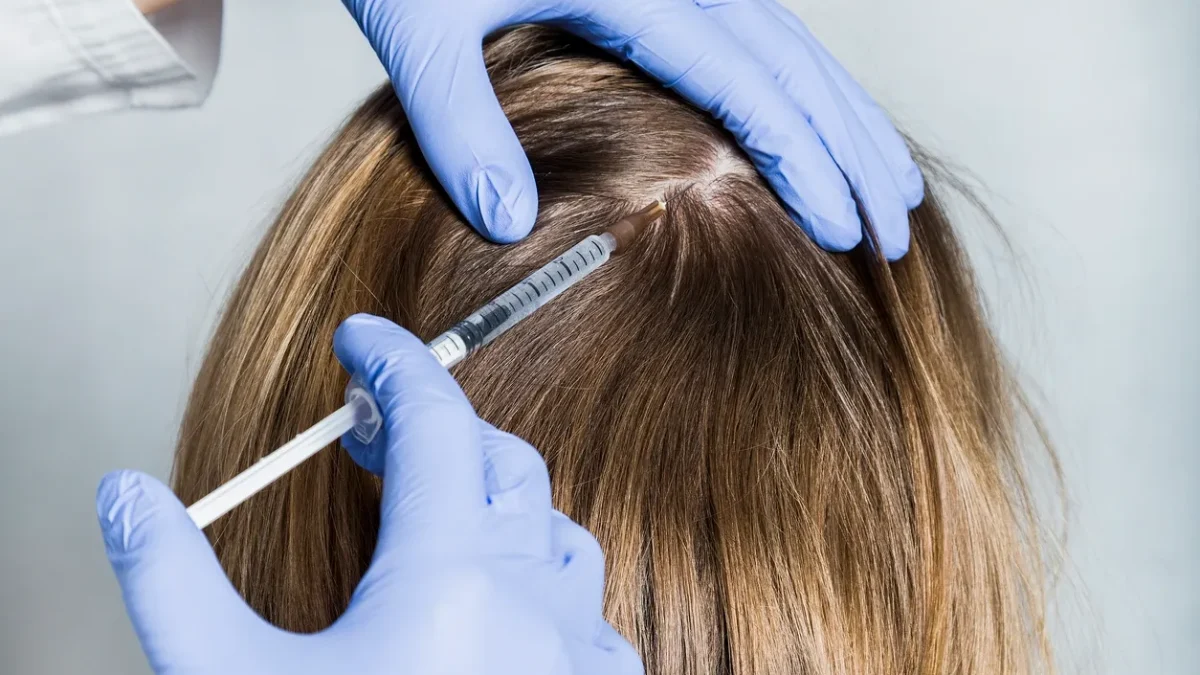
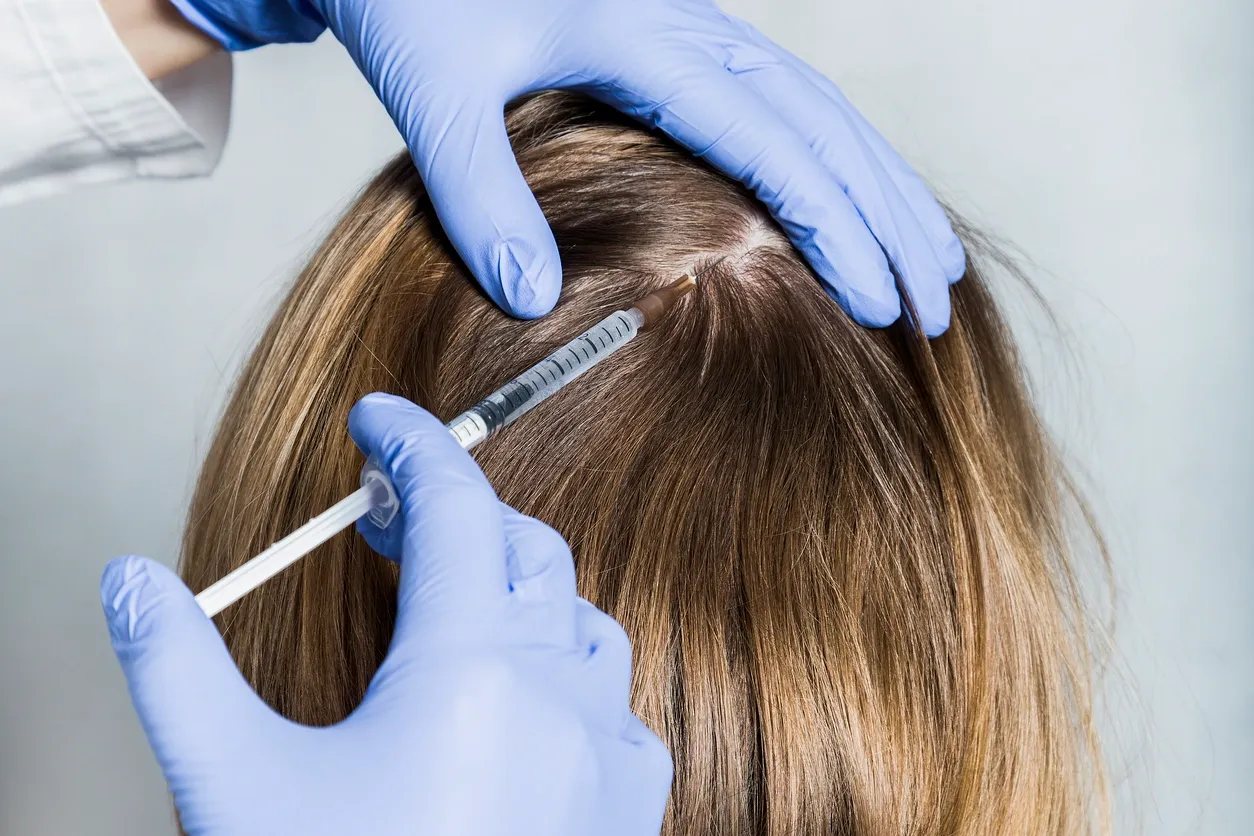
- Scalp Injection: The prepared PRP is injected into the areas of the scalp where thinning is most active. A fine needle works across the zone in a grid pattern so coverage stays even throughout. A topical numbing agent is applied beforehand, which keeps the sensation closer to mild prickling than anything that requires bracing for. Clinics like Evoke Hair Clinic that combine PRP with microneedling in the same session often see enhanced absorption because the micro channels created in the scalp allow the growth factors to penetrate deeper into the follicle environment.
- Post Treatment: There is no downtime. Patients leave the clinic and carry on with their day as normal. Some mild tenderness or faint redness on the scalp for a few hours is common and resolves on its own. A standard plan runs about 3 to 4 sessions which are spaced roughly a month apart, along with maintenance sessions every 4 to 6 months. And then finally adjustments are made based on how the scalp is responding.
Who Is a Good Candidate for PRP Hair Treatment?
PRP hair treatment works best when there are still active follicles to stimulate, which means it is most effective for people who are in the early to mid stages of thinning rather than those who have already reached advanced baldness.
Thinning, Not Bald
- Men at Norwood 2 or 3 noticing recession at the temples or mild thinning at the crown, where overall density is still reasonable
- Women experiencing diffuse thinning along the parting or crown, commonly linked to thyroid imbalance, PCOS, or post pregnancy hormonal shifts
Recovering from a Shock
- Patients coming out of telogen effluvium triggered by illness, crash dieting, emotional upheaval, or the chronic sleep deprived work pressure that is practically a job requirement in Delhi’s corporate belt
- PRP accelerates the return of shocked follicles into the growth cycle, cutting recovery time compared to waiting for the body to reset on its own
After a Transplant
- Frequently used alongside a hair transplant to improve graft survival and encourage stronger growth in the transplanted zone
- Also helps stabilise the surrounding non transplanted areas so existing hair does not continue thinning while the new grafts mature
Not Suited For
- Advanced baldness at Norwood 6 or 7 where follicles have been dormant for years and fibrosed beyond stimulation
- Scarring alopecia where the follicle structure has been destroyed by inflammation or injury
- Patients on blood thinning medication or with platelet disorders, since the entire treatment depends on healthy platelet function
