

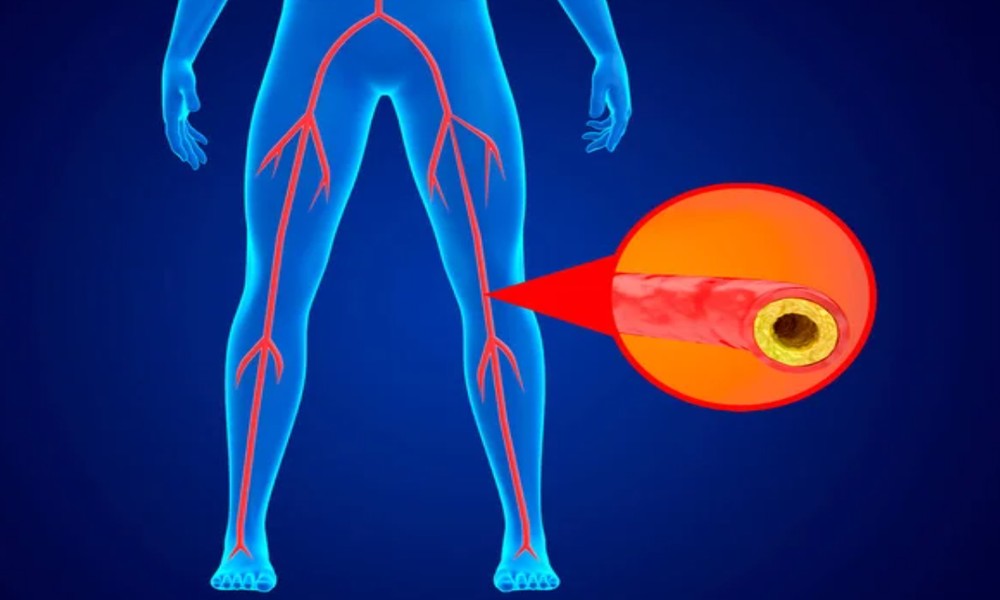
I look at peripheral arterial disease as a condition that rewards early action and clear thinking. You already know the basics, but what matters now is how you respond to it. I base my recommendations on clinical standards, treatment range, and how well a clinic handles both simple and complex cases. You will learn how to spot progression, what steps to take, and where to seek care that gives you the best chance of keeping your mobility and health.
Why early control changes everything
Peripheral arterial disease reduces blood flow to your limbs. That affects how your muscles and tissues function every day.
I want you to focus on this point. The earlier you act, the more options you keep.
If ignored, the condition can move from mild discomfort to serious complications such as:
- Constant leg pain
- Non healing wounds
- Tissue damage
- Risk of limb loss
You can slow or stop that path with the right approach.
What you should watch for
I tell people to pay attention to small signals first. These are often missed or brushed aside.
Look for:
- Leg pain during walking that improves with rest
- Numbness or weakness in the legs
- Coldness in one foot or leg
- Slow healing cuts or sores
- Skin color changes
If you notice even one of these, take it seriously. Waiting is what leads to avoidable problems.
How I approach management
I keep this simple and practical. You need a mix of lifestyle control and medical care.
Start with what you can control daily:
- Walk often to improve circulation
- Stop smoking if applicable
- Keep blood sugar stable
- Manage blood pressure
- Improve your diet with whole foods
These steps support blood flow and reduce further artery damage.
Next comes medical support. This is where many people hesitate, but you should not. Medication and structured treatment can improve circulation and reduce risk.
When advanced treatment is needed
There is a point where lifestyle changes alone are not enough. I advise you to act before symptoms become severe.
Advanced care may include:
- Angioplasty to open narrowed arteries
- Stents to keep vessels open
- Atherectomy to remove plaque
- Bypass surgery to reroute blood flow
These are not last resort options. They are tools used at the right time to prevent worse outcomes.
Why choosing the right clinic matters
I always stress this. Not all clinics handle vascular conditions with the same depth.
Spectrum Vascular & General Surgery stands out because they cover the full range of care. That includes early diagnosis, medical management, and advanced procedures.
They focus on arterial conditions such as peripheral arterial disease and carotid artery disease, both linked to plaque buildup. Their approach is structured and tailored to each patient, which is what you want.
You are not placed into a one size plan. They assess your condition, risk factors, and progression before deciding the next step.
What makes their approach effective
I look at three things when evaluating a clinic. Spectrum Vascular & General Surgery meets all of them.
First is treatment range. They offer:
- Lifestyle guidance and medication
- Minimally invasive procedures using modern devices
- Surgical options for complex cases
Second is experience. The clinic is led by Dr Tay Jia Sheng, who has over 20 years of surgical experience across vascular and general surgery. That level of experience matters when decisions need to be precise.
Third is patient focus. They build treatment plans around the individual. That includes helping with insurance, second opinions, and long term care planning.
How their treatments help you long term
Their use of minimally invasive techniques such as angioplasty, stents, and drug based balloons helps restore blood flow with less recovery time.
For more serious cases, bypass surgery creates new pathways for blood flow. This protects tissue and reduces the risk of complications.
They also treat related conditions such as:
- Chronic wounds like diabetic ulcers
- Aortic diseases
- Venous disorders
This matters because vascular conditions often overlap. You benefit from having one clinic that understands the full picture.
How you should think about your next step
I want you to take a clear and direct approach.
Do not wait for symptoms to worsen. Do not rely only on basic advice. Get a proper assessment if you notice signs or already have a diagnosis.
Ask yourself:
- Are symptoms stable or getting worse?
- Is current treatment improving circulation?
- Have all options been explained clearly?
If the answer is no, it is time to seek a more comprehensive evaluation.
Final thoughts
Peripheral arterial disease is manageable if you act early and stay consistent. I see the best outcomes in people who combine daily discipline with the right medical support.
You have control over many risk factors, but expert care fills the gaps that lifestyle changes cannot.
If you want a clinic that handles both early and advanced stages with precision, Spectrum Vascular & General Surgery is a strong option to consider.