

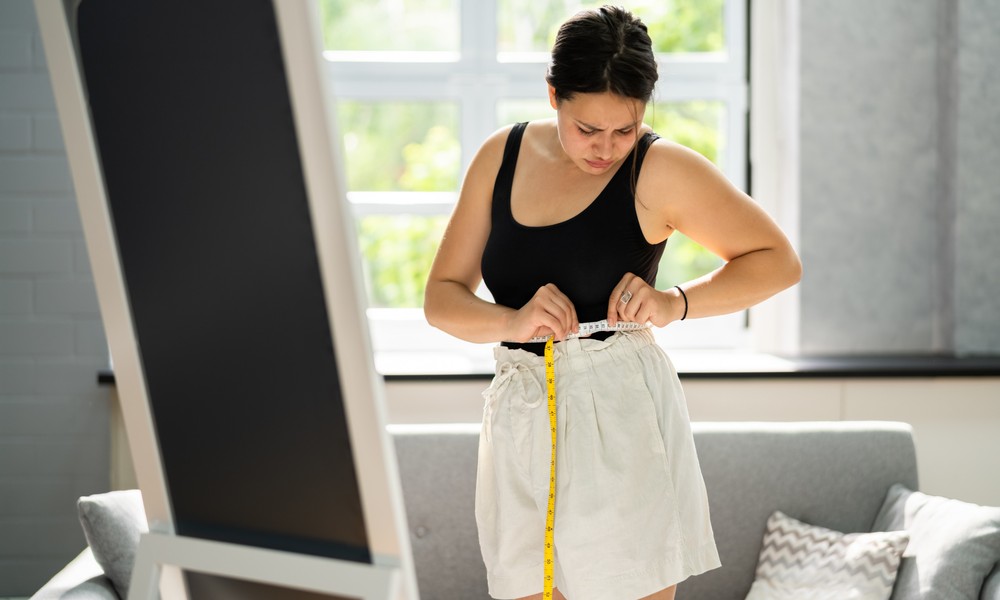
For years, weight loss advice has sounded suspiciously similar to bad financial advice:
“Just be more disciplined.”
“Cut back a little.”
“Stay consistent.”
Technically helpful. Emotionally exhausting.
Because women over 40 already are consistent. Consistently busy, consistently stressed, consistently trying to take care of everyone else while squeezing their own health somewhere between work deadlines and grocery runs.
And yet, despite eating better, moving more, and trying every wellness trend that arrives wrapped in pastel packaging, many still struggle to lose weight.
That disconnect is exactly why medical weight loss options have become part of a much larger conversation in recent years.
Why Weight Loss Feels Different After 40
There’s a reason the same routines that worked at 28 suddenly stop delivering results at 42.
The body changes.
Hormonal shifts begin affecting metabolism, insulin sensitivity changes, muscle mass naturally decreases with age, and stress starts influencing the body in more noticeable ways. Add inconsistent sleep and a permanently elevated cortisol level-courtesy of modern life-and the result is a body that stores weight more efficiently while resisting efforts to lose it.
It’s not laziness. It’s physiology.
Unfortunately, many women spend years treating this like a motivation problem instead of a biological one.
The Rise of Medical Weight Loss Solutions
This is where medications like Semaglutide and Tirzepatide in San Antonio have changed the discussion.
Originally introduced for managing type 2 diabetes, these medications quickly gained attention because patients began losing significant amounts of weight in the process. What followed was less of a trend and more of a shift in understanding.
People realized that appetite regulation, blood sugar balance, and satiety all play a major role in weight management-and that addressing these medically can dramatically improve results.
Instead of relying entirely on willpower, patients suddenly had support that worked with their biology.
Which, frankly, feels overdue.
What Patients Often Notice First
Interestingly, the first changes people describe are not always physical.
Many patients talk about feeling mentally quieter around food.
Cravings become less intense. Portion control feels easier. Emotional eating decreases because hunger no longer dominates every decision.
For some women, this is the first time in years they’ve felt in control of eating habits without constantly battling themselves internally.
And that shift tends to affect everything else:
- Healthier routines become easier to maintain
- Energy levels improve
- Consistency feels achievable instead of forced
The scale changes too, of course-but often as a result of these larger behavioral shifts.
Why More Women Are Open to Medical Support
There was once a stigma around medical weight loss, as though seeking professional help somehow meant “not trying hard enough.”
That mindset is fading quickly.
More women now recognize that weight gain after 40 is often connected to hormones, metabolism, insulin resistance, and stress-not simply lack of effort. Addressing those factors medically is not taking shortcuts. It’s using the available tools intelligently.
And after years of battling the same cycle with limited success, many are deciding they no longer need to prove how hard they can struggle before asking for support.
A More Sustainable Perspective on Weight Loss
What makes treatments like Semaglutide and Tirzepatide appealing is not just the weight loss itself-it’s the sustainability.
Instead of extreme diets or temporary fixes, the focus shifts toward creating habits and biological conditions that support long-term progress.
For many women in San Antonio, that change feels less like chasing a number on the scale and more like finally working with their bodies instead of constantly fighting them.