

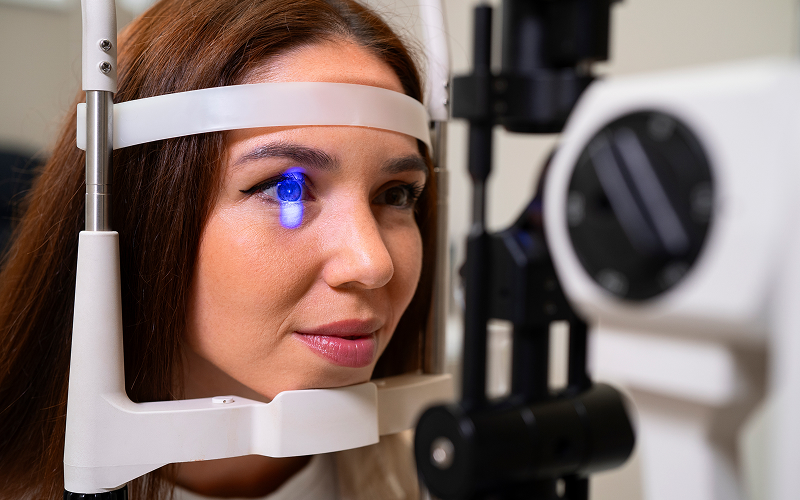
LASIK is one of the most sought-after, popular vision correction procedures. Yet, many individuals exploring LASIK in Singapore tend to focus solely on the promised benefits, without fully understanding the procedure itself or whether they meet the necessary criteria. Eye specialists often point out several key considerations that are frequently overlooked, factors that should be carefully weighed before setting a surgery date.
Assessing Your Eligibility for LASIK
Not every individual with poor vision qualifies for LASIK. Eye specialists in Singapore follow strict criteria before recommending surgery. Patients must show stable prescriptions for at least 12 months. Any fluctuation in vision indicates ongoing changes in the eye, making surgery ineffective or temporary.
Those with severe dry eyes, autoimmune conditions, or thin corneas may not meet the criteria. Eye specialists conduct tests to measure corneal thickness, pupil size, tear production, and refractive stability. These checks prevent post-operative complications such as halos, undercorrection, or regression.
LASIK corrects common refractive errors like myopia, hyperopia, and astigmatism. However, the degree of correction has limits. Exceeding these may increase risk, especially if the cornea cannot support the required reshaping.
While the procedure can significantly reduce or even eliminate the need for glasses, outcomes vary from person to person. Perfect vision is not guaranteed, particularly for close-up tasks after the age of 40, when reading aids may still be necessary. Eye specialists in Singapore consistently emphasise the importance of managing expectations during the consultation stage, helping patients make informed and confident decisions.
Understanding the Risks Before Booking
LASIK carries risks, even in experienced hands. Most patients achieve excellent outcomes, but no procedure guarantees perfect results. Eye specialists remain transparent about potential side effects, helping patients make informed decisions.
Common short-term issues include dry eyes, glare, halos, and visual fluctuation. These usually improve after recovery, but some individuals may experience symptoms for months. In rare cases, complications like epithelial ingrowth, corneal ectasia, or infection require additional treatment.
Positive LASIK outcomes rely not only on surgical precision but also on how well patients follow post-operative instructions. Rubbing the eyes, neglecting prescribed medication, or missing follow-up visits can compromise recovery and lead to complications. Although LASIK in Singapore employs more recent technology, each patient’s healing response plays a crucial role in the final result.
In some cases, vision may regress over time, and a second procedure may be needed. Eye specialists typically discuss enhancement options during the initial consultation. Patients are encouraged to ask about the clinic’s retreatment policy, expected success rates, and the recovery period involved in any follow-up correction.
LASIK remains elective. Patients should not feel pressured to proceed without full understanding. Specialists encourage second opinions if doubts remain. A reputable eye specialist in Singapore focuses on safety and long-term satisfaction.
Reviewing Recovery and Post-Surgery Care
LASIK recovery varies, but most patients resume routine activities within a few days. Blurred vision, mild discomfort, or light sensitivity may appear during the first 24–48 hours. Eye specialists advise rest, hydration, and avoiding eye strain during the initial days.
Lubricating drops reduce dryness and promote healing. Patients should not rub their eyes during the first week. Makeup, swimming, and contact sports must pause for at least two weeks to prevent contamination or trauma.
Follow-up visits occur within 24 hours, then at regular intervals. Eye specialists assess flap integrity, visual clarity, and overall healing. Consistent aftercare ensures early detection of inflammation or other concerns.
Night driving may feel challenging during the early weeks. Halos and glare subside gradually, but each case differs. Specialists recommend patience during adjustment. Protective eyewear helps shield eyes from wind and UV exposure.
Patients working in dusty or high-risk environments should notify their eye specialist before booking LASIK. Custom recovery advice reduces workplace disruption and protects surgical results.
Recovery extends beyond the absence of symptoms. Full corneal healing may take several months. Adhering to post-surgery protocols ensures long-lasting vision correction.
Deciding with Confidence
Eye specialists in Singapore prioritise patient education over sales. Booking LASIK requires confidence in the procedure, provider, and personal readiness. Rushing into surgery without research leads to poor satisfaction.
Patients must prepare questions before consultation. Ask about surgeon experience, technology used, complication rates, and enhancement policies. Understanding consent forms and surgical steps improves comfort before entering the operating room.
Lifestyle factors like pregnancy, long-term medication use, and chronic health conditions also affect timing. LASIK should take place only after stability in systemic and ocular health.
LASIK in Singapore continues evolving. Clinics offer bladeless technology, wavefront-guided mapping, and femtosecond lasers to improve outcomes. Eye specialists match technology with patient-specific eye conditions.
Choosing a skilled provider matters more than speed or price. Referrals, clinic reviews, and board certifications offer useful insights. Specialists encourage consultations at reputable centres that emphasise safety, not just sales targets.
Contact Nova Eye Centre to speak with an experienced eye specialist in Singapore before confirming your LASIK procedure. Make informed decisions with accurate guidance from professionals.