

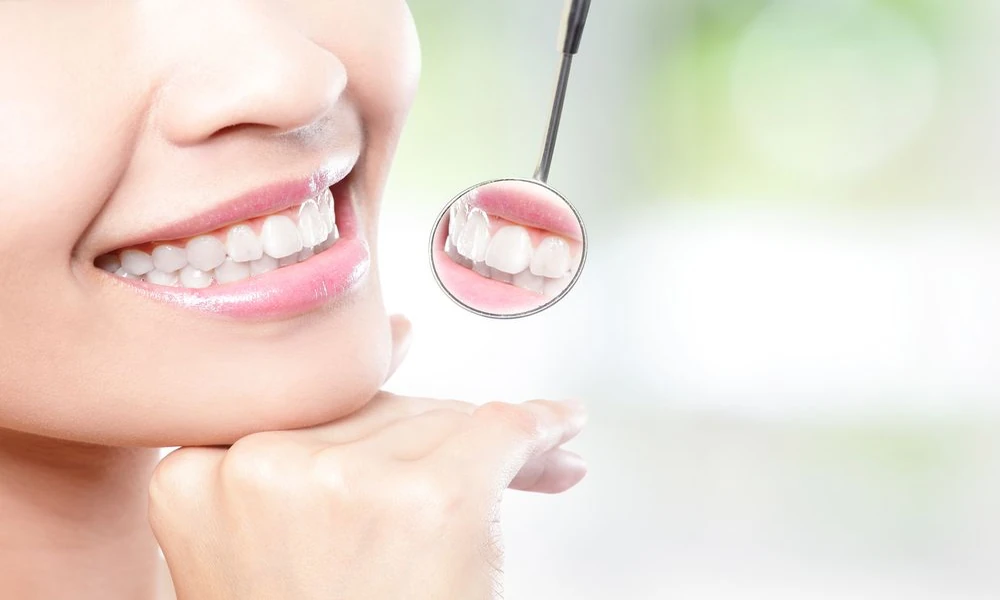
You might be feeling pulled in two directions at once. On one side, you want your teeth to work well again so you can chew, speak, and smile without thinking about it. On the other, you want them to look natural, because function alone does not always ease the self-conscious feeling that can come with chips, stains, gaps, or worn dental work. If that sounds familiar, you are not overthinking it. The truth is that oral health and appearance often go hand in hand, and the best results usually consider both. In many cases, cosmetic care and restorative treatment are not competing choices, especially when working with a dentist in Shawnee, OK. They support each other.
That is the heart of how cosmetic dentistry complements restorative solutions. Restorative care repairs damage and protects your oral health. Cosmetic treatment helps refine the look of your smile so the repair blends in, feels balanced, and supports your confidence. When these approaches are planned together, you are more likely to get results that are strong, natural-looking, and built for daily life.
Why does a repaired tooth still need cosmetic attention?
It often starts with a practical problem. Maybe you cracked a tooth, lost a filling, or noticed an older crown no longer matches the teeth around it. Restorative dentistry is there to fix the structure. That might mean a filling, crown, bridge, implant, or bonding. But once the tooth is stable, another question can surface. Does it look like it belongs with the rest of your smile?
Because of this tension, you might wonder whether appearance is just a bonus. In reality, it can be part of the repair process. A front tooth that is restored but mismatched in color can still affect how you feel when you talk or laugh. A back tooth that is rebuilt without careful shaping can change your bite and create strain over time. This is where cosmetic planning matters. Shade matching, contouring, alignment, and proportion all help the restoration feel less obvious and more comfortable.
Smile enhancement with restorative care is often the most realistic path for people who want both relief and confidence. A dental crown, for example, restores a damaged tooth, but its shape and color also affect how natural your smile looks. Dental bonding can close a chip while also smoothing the line of the tooth. Veneers may sometimes be used after foundational treatment if the goal is to create a more even appearance across several teeth.
What happens when function and appearance are treated together?
When treatment is planned as a whole, your dentist can look beyond the single damaged tooth and consider how everything works together. That includes your bite, gum line, enamel wear, and the materials used to rebuild the tooth. The National Institute of Dental and Craniofacial Research explains in its guide to dental materials that different materials are chosen for different needs, including strength, placement, and appearance. That matters, because the right material can support both durability and a natural finish.
So, where does that leave you if you need more than one fix? It means a combined plan may save frustration later. If you whiten your teeth before replacing a visible crown, the new restoration can be matched to the brighter shade. If you straighten crowded teeth first, a later restoration may require less reshaping. If you replace missing teeth and then refine the overall look, your smile can appear more even and stable.
This is one reason many people benefit from cosmetic and restorative dentistry rather than treating these as separate worlds. The work is not only about looks. It can reduce uneven wear, help support speech, and make oral hygiene easier when teeth are properly restored and aligned.
Which restorative and cosmetic options are often paired?
Some combinations are common because they solve both visible and structural concerns at the same time. A tooth-colored filling restores decay while blending with surrounding enamel. A crown protects a weakened tooth while restoring shape and shade. An implant replaces a missing tooth at the root level, and the final crown is crafted to match the smile around it. Bonding can repair small fractures and improve symmetry in one visit.
According to MedlinePlus information on dental crowns, crowns are used to restore tooth shape, size, and strength, and they can also improve appearance. That dual purpose shows why the line between cosmetic and restorative treatment is often thinner than people expect.
How do practical tradeoffs look in real life?
It helps to compare what each approach tends to do best. While every mouth is different, this side by side view can make the decision feel less abstract.
| Approach | Main Goal | Best For | What to Keep in Mind |
|---|---|---|---|
| Restorative treatment only | Repair damage and protect oral health | Decay, cracks, missing teeth, worn restorations | May solve the health issue but leave color, shape, or symmetry concerns |
| Cosmetic treatment only | Improve appearance | Stains, minor chips, spacing, uneven edges | Not always enough if there is structural damage or bite problems |
| Combined treatment plan | Restore strength and improve appearance together | Visible repairs, multiple concerns, full smile updates | Usually needs careful sequencing, but often leads to more natural and lasting results |
That is why general, cosmetic, and restorative dentistry often overlap. If your goal is a smile that feels healthy, looks balanced, and holds up over time, the sequence of care matters just as much as the services themselves.
What can you do right now if you are weighing your options?
1. Start with the health issue first. If you have pain, damage, or a missing tooth, get that evaluated before focusing on whitening or other appearance changes. A stable foundation gives cosmetic treatment a better chance of lasting.
2. Ask for a full treatment sequence. Instead of asking only, “What fixes this tooth?” ask, “What order makes the most sense for my whole smile?” That can help you avoid redoing work or choosing a shade that no longer matches later.
3. Talk about materials and long term goals. If a restoration will show when you smile, ask how the material will look, wear, and blend with nearby teeth. If you grind your teeth or have gum changes, that should shape the plan too.
Can your smile be both healthy and natural-looking?
Yes, and for many people, that is the most comforting part. You do not have to choose between a tooth that functions and a smile that feels like your own. When restorative work is paired with thoughtful cosmetic planning, the result can support your health while easing the self-consciousness that often comes with dental damage.
If you have been putting off care because the choices feel confusing, take the next step and schedule a dental evaluation to discuss a plan that addresses both repair and appearance. The right approach should help you chew, speak, and smile with less worry.