
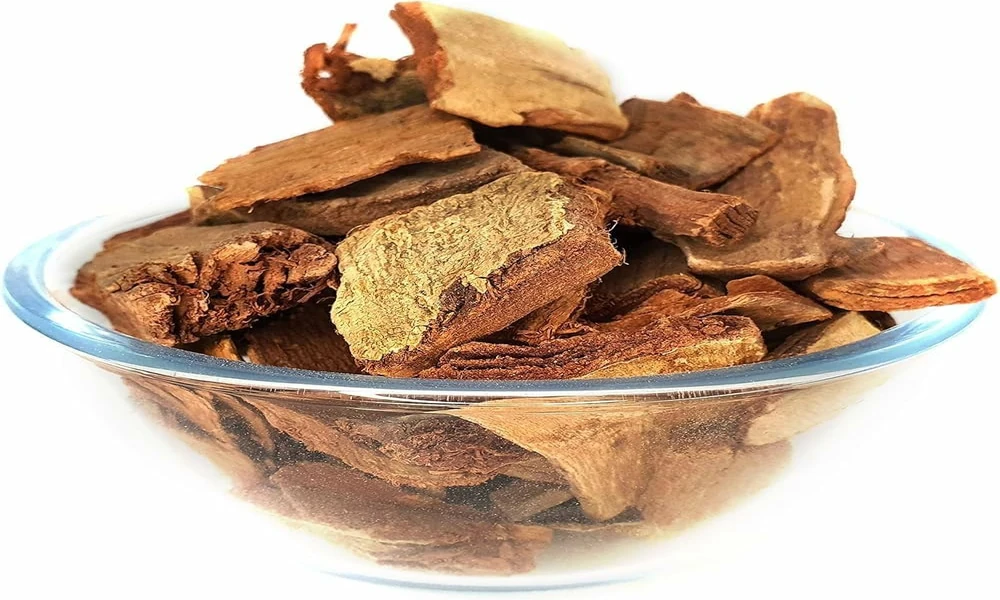

The therapeutic outcome from any botanical supplement depends not only on the inherent properties of the plant but equally on the quality of the specific product being used. This is a dimension that consumers frequently underestimate and that the supplement industry has an imperfect record of communicating clearly. For arjuna bark specifically – a plant whose active compound concentrations vary significantly based on tree age, harvest timing, processing method, and storage conditions – product quality is a decisive variable in whether supplementation produces meaningful benefit or disappoints.
Understanding अर्जुन की छाल के फायदे in a practical purchasing context means knowing what quality indicators to look for and what red flags to avoid. This knowledge allows consumers to make informed choices rather than relying on marketing claims that may or may not reflect the actual quality of the product being sold.
Raw Material Quality
The quality of arjuna bark begins with the source tree. Terminalia arjuna trees reach their maximum medicinal potency in terms of active compound concentration between fifteen and thirty years of age. Bark from younger trees contains lower concentrations of the therapeutic glycosides and flavonoids that provide अर्जुन छाल हृदय के लिए its characteristic benefits. Responsible manufacturers source from established tree populations where age and harvesting practices can be verified, rather than from opportunistic harvesting that prioritises quantity over quality.
The harvesting season also matters. Classical Ayurvedic pharmacy specifies spring harvesting when the tree’s active compound content is highest – a prescription that reflects centuries of empirical observation of seasonal variation in medicinal potency. Modern analytical chemistry has confirmed that compound concentrations do indeed vary seasonally, validating the traditional specification. Products from manufacturers who follow traditional harvesting schedules will typically reflect this in their quality control documentation.
Processing and Standardisation
The transition from raw bark to finished supplement involves drying, grinding, extraction (if a standardised extract rather than whole powder is being produced), and encapsulation or tableting. Each step presents opportunities for quality enhancement or degradation. High-temperature drying degrades heat-sensitive flavonoids; prolonged storage of ground powder allows oxidation; poor extraction protocols yield inconsistent compound concentrations.
Standardisation – specifying the minimum concentration of active compounds in the finished product – provides consumers with the most reliable quality assurance available. Look for products standardised to arjunolic acid content (a reliable marker compound), total saponin content, or total glycoside content. A standardised extract of 500 mg specifying 10% arjunolic acid delivers 50 mg of that active compound per capsule – a consistent, verifiable dose that cannot be said for an unstandardised whole powder product.
Third-Party Testing
Third-party testing provides independent verification that a supplement contains what it claims and is free from contaminants. For arjuna bark specifically, testing for heavy metals (lead, mercury, arsenic, and cadmium) is important because the plant can accumulate metals from soil, and contamination above safe limits has been found in products from unregulated sources. Testing for microbial contamination, pesticide residues, and adulteration with other plant material provides additional safety assurance.
Certificates of Analysis from accredited testing laboratories, made available to consumers either on request or proactively on the manufacturer’s website, are the gold standard for quality transparency. The best Ayurvedic supplement manufacturers in India – those committed to both traditional standards and modern quality assurance – routinely make these documents available and welcome the scrutiny they represent.
Choosing the Right Arjuna Bark Supplement: Quality, Sourcing, and What to Look For
