
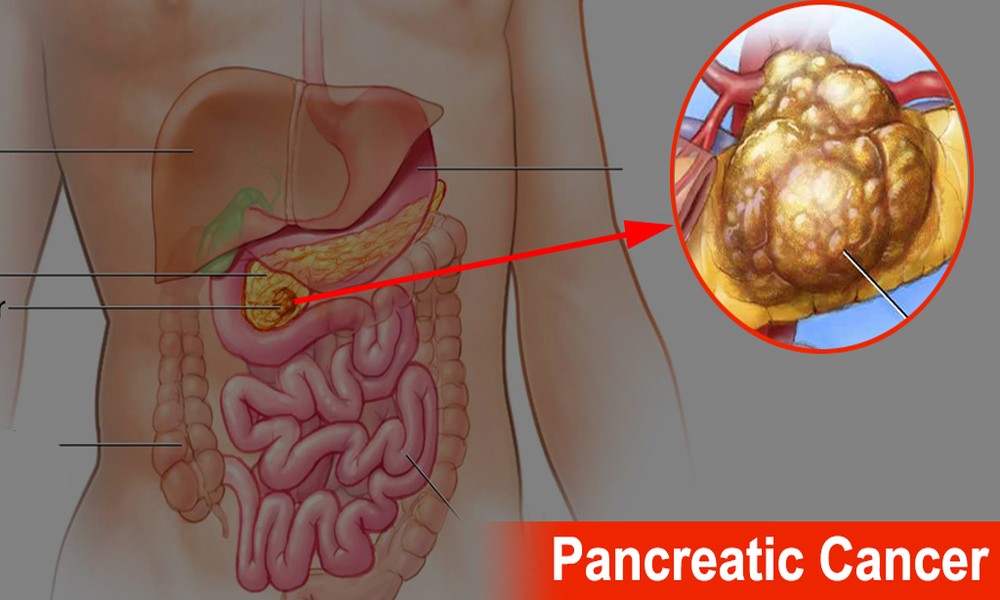

You already know pancreatic cancer requires serious decisions. My role here is to help you think clearly about those decisions, understand what matters in surgery and treatment, and know how to assess a specialist in Singapore. I base my guidance on clinical standards, surgeon training, and how care is structured from diagnosis through follow up.
Early in the process, many people want clarity on pancreatic cancer surgery and pancreatic cancer treatment, especially if they are exploring pancreatic cancer surgery in Singapore as an option. I will walk you through how these fit together, what questions to ask, and why specialist care changes outcomes.
How I Think About Pancreatic Cancer Care
Pancreatic cancer is complex. Treatment choices depend on tumour type, stage, location, and your overall health. I always advise you to think of care as a structured plan, not a single procedure.
That plan usually includes:
- Accurate diagnosis and staging
- A clear decision on whether surgery is possible
- Coordination with medical treatments if needed
- Long term follow up after treatment
Each step builds on the last. Skipping detail at the start creates problems later.
Understanding Surgery for Pancreatic Cancer
Pancreatic cancer surgery offers the best chance of long term control for selected patients. It is only appropriate when the tumour can be removed safely and fully.
Common surgical approaches include:
- Pancreaticoduodenectomy for tumours in the head of the pancreas
- Distal pancreatectomy for tumours in the body or tail
- Total pancreatectomy in selected complex cases
These operations demand advanced skill. They involve major blood vessels and delicate structures. Outcomes depend on surgeon experience, hospital support, and careful patient selection.
I encourage you to ask direct questions about:
- How resectability is assessed
- Expected recovery and risks
- How digestion and blood sugar may change after surgery
Clear answers signal strong clinical judgment.
When Surgery Is Not the First Step
Not all pancreatic cancers are suitable for immediate surgery. Some cases require other treatments first, while others focus on disease control and quality of life.
Treatment plans may include:
- Chemotherapy before or after surgery
- Non surgical management for advanced disease
- Symptom relief for bile duct obstruction or pain
This is where coordinated care matters. Decisions should follow imaging, blood tests, and tissue diagnosis when needed. Guesswork has no place here.
Why Specialist Assessment Matters in Singapore
Singapore offers advanced surgical care, but not all providers focus on pancreatic disease. I advise you to look for a surgeon with dedicated hepatopancreatobiliary training and a track record with pancreatic cancer.
Dr Thng Yongxian fits this profile. They are a senior consultant hepatopancreatobiliary and general surgeon who manages the full range of pancreatic cancer, from early stage disease to complex cases requiring combined treatment approaches.
Their practice covers:
- Detailed staging using CT and MRI
- Endoscopic ultrasound and tissue sampling when required
- Surgical planning based on anatomy and tumour biology
- Minimally invasive techniques where appropriate
This depth reduces uncertainty and supports better planning.
Experience and Training as a Decision Factor
Surgical volume and training matter. Pancreatic surgery carries risk, and experience lowers that risk.
Dr Thng Yongxian has performed over 6,000 surgical procedures and completed advanced fellowship training in hepatopancreatobiliary surgery. Subspecialty training in minimally invasive pancreatic surgery was completed at leading regional centres, with further advanced exposure across Asia and Europe.
They also helped introduce laparoscopic pancreaticoduodenectomy services and contributed to surgical innovation in Singapore. This background signals familiarity with both open and minimally invasive approaches.
Care Beyond the Operating Room
Good pancreatic cancer care does not end after surgery or treatment. Recovery, nutrition, and monitoring shape long term outcomes.
Ongoing care may involve:
- Monitoring for recurrence
- Managing digestive or metabolic changes
- Coordinated follow up imaging and blood tests
- Clear guidance on lifestyle and nutrition support
Dr Thng Yongxian integrates follow up into care planning. This structure helps patients adjust and identify issues early.
How I Advise You to Choose
When choosing a surgeon for pancreatic cancer treatment in Singapore, I suggest you focus on clarity, experience, and structure.
Look for:
- Clear explanations without pressure
- Evidence based treatment planning
- Access to multiple accredited hospitals
- Strong coordination across diagnosis, surgery, and follow up
Dr Thng Yongxian practices across several accredited hospitals in Singapore and maintains academic and clinical roles. This reflects ongoing engagement with current standards and complex case management.
Final Guidance
Pancreatic cancer demands careful thinking and expert care. Surgery and treatment decisions shape outcomes and quality of life. I encourage you to seek specialist input early, ask direct questions, and choose a surgeon whose training and focus align with the complexity of this disease.
With structured assessment and experienced hands, pancreatic cancer care in Singapore can be approached with clarity and purpose.
Pancreatic Cancer Surgery and Treatment Options in Singapore
