
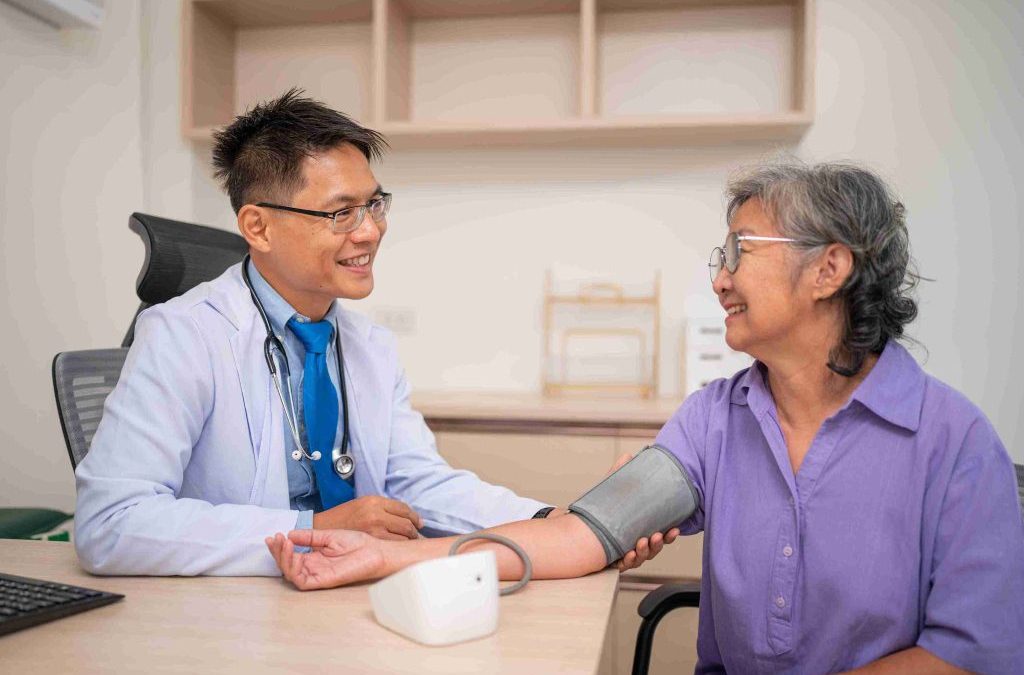

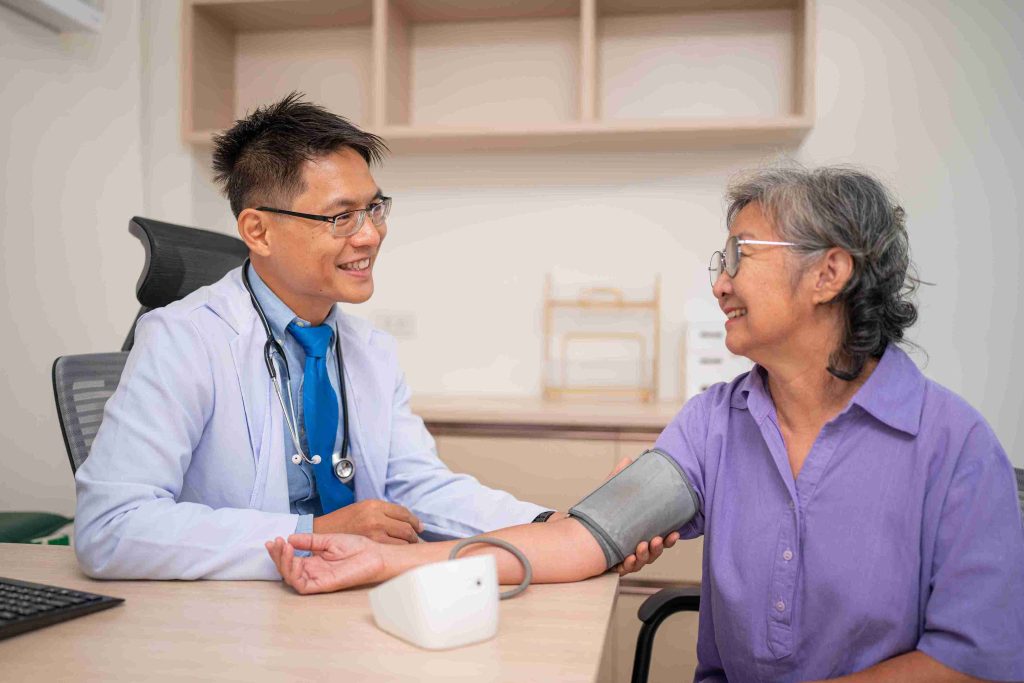
Preventive healthcare is a cornerstone of long-term well-being, and national screening initiatives play a vital role in identifying health risks early. In Singapore, Healthier SG Screening has been introduced as part of a broader strategy to shift healthcare from reactive treatment to proactive prevention. Understanding who should participate helps individuals make informed decisions about their health and future care needs.
Understanding the Purpose of Preventive Screening
Preventive screening aims to detect health conditions before symptoms appear. Many chronic illnesses such as diabetes, high blood pressure, and high cholesterol develop silently over years. By the time symptoms are noticeable, complications may already be present.
Screening programs like Healthier SG health screening allow healthcare providers to identify risk factors early and recommend timely interventions. These may include lifestyle changes, regular monitoring, or early treatment. The goal is not only to diagnose disease but also to prevent progression and reduce long-term health complications.
Adults Who Appear Healthy but Have Risk Factors
Many people assume screening is only necessary when they feel unwell. In reality, adults who feel healthy may still benefit significantly, especially if they have risk factors such as a sedentary lifestyle, poor diet, smoking history, or high stress levels.
Family history also plays an important role. Individuals with close relatives who have diabetes, heart disease, or stroke may have a higher genetic risk. Screening helps uncover early changes in blood sugar, cholesterol, or blood pressure that may otherwise go unnoticed.
Individuals Aged 40 and Above
Age is one of the strongest predictors of chronic disease. As people reach their 40s and beyond, the likelihood of developing metabolic and cardiovascular conditions increases. Regular health assessments become increasingly important during this stage of life.
For this age group, screening supports early detection and helps establish a baseline for future monitoring. Identifying conditions early allows individuals to take corrective action before irreversible damage occurs, improving long-term quality of life and reducing healthcare costs.
People Managing Existing Health Conditions
Individuals already diagnosed with conditions such as hypertension, prediabetes, or high cholesterol should also consider participating. Screening is not limited to first-time detection; it also plays a role in tracking disease progression and treatment effectiveness.
Regular assessments help healthcare providers evaluate whether current management plans are working or need adjustment. This structured approach supports better disease control and lowers the risk of complications such as heart attacks, kidney disease, or vision problems.
Working Adults With Limited Time for Healthcare
Busy work schedules often cause health checks to be postponed. However, working adults are among those who benefit most from structured screening programs. Long hours, stress, irregular meals, and limited physical activity can quietly impact health over time.
Participating in Healthier SG medical screening provides a practical opportunity for early assessment without waiting for symptoms to arise. It allows working individuals to integrate preventive care into their routine and make informed lifestyle choices based on objective health data.
Seniors and Older Adults
As people age, the body becomes more vulnerable to chronic disease and functional decline. Seniors may experience multiple health issues simultaneously, making coordinated care and early detection especially important.
Screening in older adults supports timely intervention, medication review, and lifestyle guidance tailored to age-related needs. It also helps identify risks such as frailty or cardiovascular disease, enabling preventive strategies that support independence and overall well-being.
Individuals Unsure About Their Health Status
Some people may not fall into obvious high-risk categories but still feel uncertain about their health. Screening offers reassurance when results are normal and clarity when early concerns are identified.
Having accurate health information empowers individuals to take control of their well-being. It encourages informed discussions with doctors and supports long-term planning for a healthier future.
When Screening May Not Be Immediately Necessary
While screening is beneficial for many, it may not be urgent for younger adults with no risk factors and a healthy lifestyle. However, this does not mean preventive care should be ignored entirely.
Doctors may recommend lifestyle-focused guidance and periodic reassessment instead. As circumstances change—such as weight gain, family history updates, or new symptoms—screening may become more relevant.
Making an Informed Decision With Your Doctor
Deciding whether to participate should be a shared discussion between patient and healthcare provider. Doctors consider age, family history, lifestyle, and existing conditions before recommending appropriate tests.
Healthier SG Screening is designed to support this personalized approach by aligning preventive care with individual health profiles. Open communication ensures that screening decisions are both medically appropriate and personally meaningful.
Conclusion
Preventive screening plays a crucial role in maintaining long-term health, particularly in detecting silent conditions before they become serious. Adults over 40, individuals with risk factors, those managing chronic conditions, and busy working professionals stand to benefit the most.
Ultimately, Healthier SG Screening empowers individuals with knowledge, enabling early action and informed lifestyle choices. By understanding who should participate, people can take proactive steps toward better health, reduced complications, and a higher quality of life over time.
