

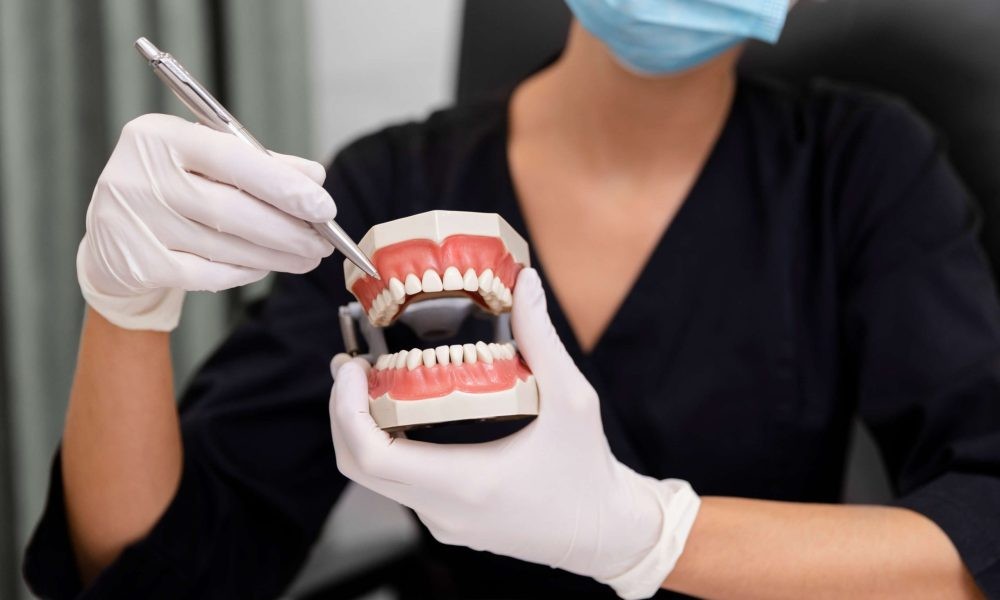
Dental fillings and crowns are commonly used restorative treatments that help repair teeth damaged by decay, fractures, or general wear. These restorations protect the remaining tooth structure, restore normal chewing ability, and prevent further dental problems. Although fillings and crowns are designed to be durable and long-lasting, they can occasionally break, loosen, or fall out.
When a dental restoration fails, it can be both uncomfortable and concerning for patients. Understanding what steps to take before visiting a dentist can help protect the tooth and reduce the risk of additional damage until professional care is available.
Why Fillings and Crowns Sometimes Fail
Modern dental restorations are made from strong materials such as composite resin, porcelain, or metal alloys. However, these materials are still exposed to constant pressure from chewing, temperature changes, and everyday wear.
Several factors may contribute to the failure of a filling or crown over time.
Common causes include:
- Natural wear and tear from chewing
- Tooth decay developing beneath the restoration
- Biting down on hard foods such as ice or nuts
- Teeth grinding or clenching during sleep
- Injury or trauma to the mouth
- Weakening of the dental cement holding a crown in place
In some cases, restorations may last many years before needing replacement. However, when they fail unexpectedly, prompt attention is important to prevent further complications.
Signs That a Filling or Crown Has Been Damaged
Patients may notice certain symptoms when a dental restoration is no longer functioning properly. Recognizing these warning signs early can help prevent additional tooth damage.
Some common signs include:
- Sudden sensitivity to hot or cold foods
- Pain when biting or chewing
- A rough or sharp edge on the tooth
- A visible gap or hole where the filling used to be
- A crown that feels loose or falls out entirely
Even if there is little or no pain, it is still important to schedule a dental appointment as soon as possible.
What to Do If a Filling Falls Out
If a filling falls out, the underlying tooth may become exposed. This can make the tooth sensitive and more vulnerable to bacteria.
Before seeing a dentist nearby, patients can take several simple steps to protect the affected tooth.
First, rinse the mouth gently with warm salt water to remove food particles and reduce irritation. Avoid chewing on the side of the mouth where the filling was lost, as pressure could damage the tooth further.
Some pharmacies sell temporary dental repair materials that can be placed over the exposed area as a short-term solution. While these products may help reduce sensitivity, they should only be used until a dentist can properly repair the tooth.
What to Do If a Crown Falls Out
When a crown falls out, patients should try to locate it and keep it in a clean container. In some cases, the dentist may be able to reattach the crown if it is still intact and the underlying tooth structure remains healthy.
It is best to avoid chewing hard foods and to keep the exposed tooth as clean as possible until the dental appointment.
Depending on the condition of the crown and the tooth underneath, the dentist may recommend repairing the restoration or replacing it with bold dental crown treatment to restore full protection and function.
Why Prompt Dental Care Is Important
When a filling or crown falls out, the tooth underneath loses an important layer of protection. Without this protection, bacteria can enter the tooth and increase the risk of decay or infection.
Delaying treatment may lead to complications such as:
- Increased tooth sensitivity
- Cracks or fractures in the exposed tooth
- Further decay inside the tooth structure
- Infection that may require more complex treatment
Seeking prompt dental care helps ensure the problem is addressed before it becomes more serious.
Patients experiencing dental emergencies or sudden restoration problems often seek evaluation at clinics such as Cambridge Centre Dental Care, where dentists can assess the damage and recommend appropriate treatment.
Preventing Future Restoration Problems
While fillings and crowns can eventually wear out, patients can take steps to help them last longer.
Dentists commonly recommend the following preventive measures:
- Maintain consistent brushing and flossing habits
- Avoid chewing on hard objects such as ice or pens
- Wear a night guard if teeth grinding occurs during sleep
- Visit the dentist regularly for checkups and cleanings
Routine dental visits allow dentists to monitor existing restorations and identify early signs of damage before they lead to more serious issues.
Final Thoughts
A broken filling or lost crown can cause discomfort and leave a tooth vulnerable to further damage. Knowing how to respond before visiting the dentist can help protect the affected tooth and reduce the risk of complications.
Simple steps such as keeping the area clean, avoiding pressure on the tooth, and scheduling prompt dental care can make a significant difference in preserving the health of the tooth. With timely treatment, dentists can repair or replace the restoration and restore the tooth’s strength, function, and comfort.