
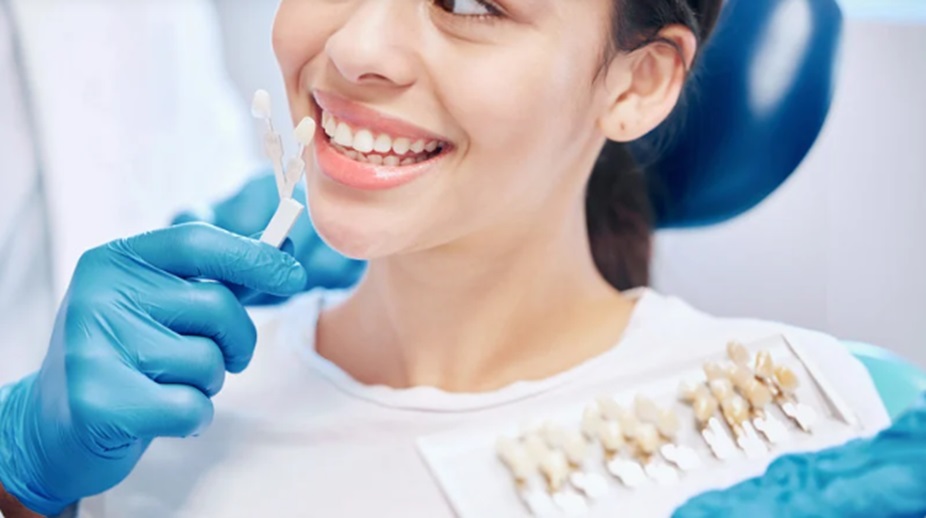

Porcelain veneers are a transformative cosmetic dental solution, offering patients a brighter, more symmetrical smile. However, achieving long-lasting results requires more than just the initial procedure—it’s equally important to maintain proper care afterward. If you’ve recently received veneers in Kendall, avoiding a few common mistakes can protect your investment and keep your smile looking flawless for years to come.
Veneers Are Durable—but Not Indestructible
Although veneers are crafted from strong porcelain materials, they’re not immune to damage. Many patients mistakenly assume that veneers are just like natural teeth in terms of strength. However, while they’re highly resistant to stains and minor chips, they still require care to avoid breakage. Biting into hard objects like ice, pens, or fingernails can cause unnecessary stress and lead to cracks or premature wear.
Don’t Skip Your Oral Hygiene Routine
Just because veneers cover the front of your teeth doesn’t mean you can ease up on daily brushing and flossing. Neglecting oral hygiene can result in plaque buildup around the veneer margins, increasing the risk of gum disease and decay in the underlying tooth structure. Brushing with a soft-bristled toothbrush and non-abrasive toothpaste, combined with regular flossing, helps maintain both your veneers and your natural oral health. It’s also crucial to attend biannual dental cleanings and exams.
Avoid Grinding and Clenching
Bruxism, or teeth grinding, is one of the biggest threats to the lifespan of veneers. Even if you’re unaware of this habit, nighttime grinding can exert excessive force on veneers, causing them to chip or loosen. If you clench your jaw or grind while sleeping, your dentist may recommend a custom night guard. Wearing one consistently can dramatically extend the life of your restorations and protect your natural teeth as well.
Be Cautious With Staining Foods and Drinks
While porcelain veneers are stain-resistant, the natural teeth around them can still discolor, creating a noticeable contrast. Limiting the intake of staining substances like coffee, tea, red wine, and tobacco helps preserve the uniform look of your smile. Rinsing your mouth after consuming these items or using a straw can reduce their contact with your teeth, keeping your veneers and surrounding enamel bright and clean.
Understand the Role of Veneers in Smile Correction
Veneers are not just about aesthetics—they often help correct issues like tooth gap/diastema and minor misalignments. However, many patients overestimate what veneers can accomplish. They’re best suited for correcting cosmetic flaws rather than structural or bite-related concerns. For long-term satisfaction, it’s important to have realistic expectations and discuss treatment limitations with a qualified dentist prior to the procedure.
Conclusion
Getting veneers can dramatically improve the appearance of your smile, but their longevity depends on how well you care for them afterward. From protecting against grinding and avoiding hard foods to maintaining good hygiene and limiting stain-causing habits, small steps make a big difference. Whether you’ve addressed discoloration, chips, or a tooth gap/diastema, veneers are a smart and lasting solution—if treated with the respect and care they deserve.
