
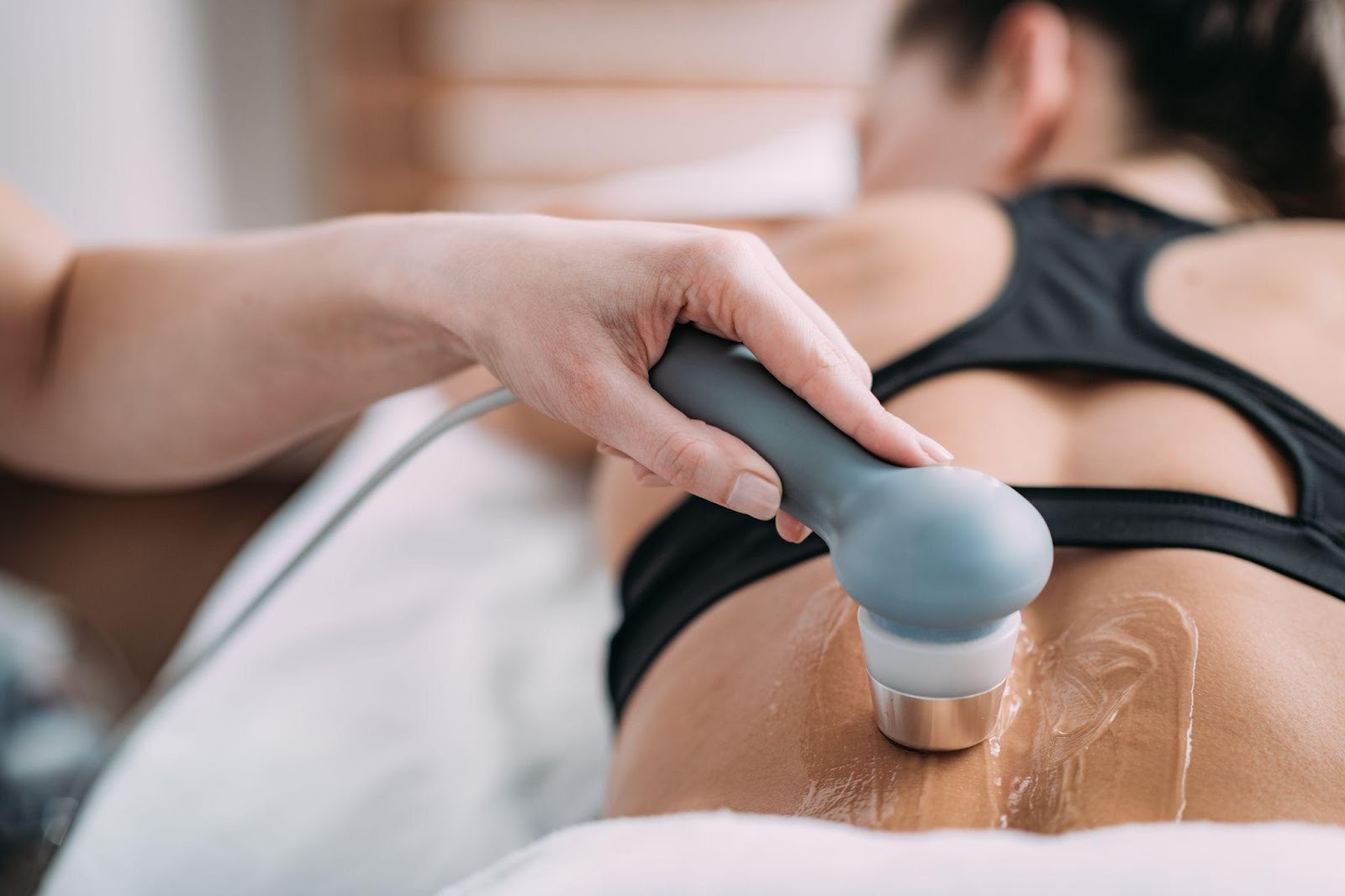

Radio frequency (RF) physiotherapy has become increasingly popular as a non-invasive way to relieve pain, speed up recovery, and support tissue healing. It’s widely used in both rehabilitation and sports medicine because it blends advanced technology with hands-on physiotherapy techniques to stimulate deep tissue repair and boost circulation. But one question comes up often: Is it safe?
What Is Radio Frequency Physiotherapy?
RF physiotherapy works by sending controlled electromagnetic energy into specific areas of the body. This energy gently warms the deeper layers of muscles, tendons, and ligaments—helping to improve blood flow, reduce inflammation, and promote natural healing.
It’s often used for chronic pain, joint stiffness, muscle tension, and even after surgery.
Unlike traditional heat therapy, RF treatment targets deeper tissues without overheating or damaging the skin. It speeds recovery, better mobility, and lasting relief—without medication or invasive procedures.
Is RF Physiotherapy Safe?
Yes, when carried out by a qualified physiotherapist using approved equipment, RF therapy is generally very safe. Most people find it comfortable—many describe it as a soothing warmth that eases tightness. Since it’s non-invasive, there’s no downtime or significant risk of side effects.
Before treatment, your physiotherapist will assess your condition and medical history. They’ll consider factors like skin sensitivity, existing health issues, or implanted electronic devices (such as pacemakers). The treatment settings and duration are then customized for you, ensuring the process is both safe and effective.
Possible Side Effects
Side effects are rare and usually mild. You might notice slight redness, temporary warmth, or minor swelling in the treated area, but these typically fade within a few hours. In extremely rare cases, incorrect use of RF equipment could cause superficial burns or discomfort—but this is highly unlikely when handled by trained professionals.
The key takeaway: avoid self-administered RF devices or unverified clinics. Always choose licensed practitioners and clinics that use certified medical-grade equipment.
Who Should Avoid RF Therapy?
While safe for most people, RF physiotherapy isn’t suitable for everyone. It’s best avoided by:
- Pregnant individuals
- People with pacemakers or metal implants
- Those with severe skin conditions
If any of these apply, speak with your doctor or physiotherapist before starting treatment. They can advise whether RF therapy is right for you or suggest safer alternatives.
Leave it to the Professionals
When performed by experienced professionals using certified equipment, radio frequency physiotherapy is a safe and effective way to relieve pain, support healing, and get you moving again.
At Elevate Physiotherapy, treatments are personalized to your needs. Their experienced therapists use advanced technology and one-on-one care to help you recover faster and feel stronger—offering flexible hours six days a week for your convenience.
Ready to experience safe, effective pain relief? Book your consultation with Elevate Physiotherapy today and see how expert-guided RF therapy can help you move better and feel your best.
