

Facing cancer requires clear guidance and structured care. Meeting a radiation doctor or oncologist marks a crucial step in the treatment journey. Patients need to understand what happens before, during, and after radiation therapy. This guide outlines what to expect, including treatment planning, monitoring, and the use of proton therapy in Singapore. Each section helps clarify the role of the specialist and how patients can prepare for effective outcomes.
Understanding the Role of a Radiation Doctor in Singapore
Cancer patients seeing a radiation doctor or oncologist usually come in after a confirmed diagnosis. The role focuses on evaluating whether radiation suits the case and selecting the most effective form. The doctor examines scans, pathology reports, and other test results before recommending a treatment strategy. Consultation sessions usually cover treatment intent—whether for treating cancer, slowing progression, or easing symptoms.
Radiation doctors (specifically oncologists) also work with medical and surgical oncologists to align therapies. Multidisciplinary coordination ensures treatments proceed without unnecessary overlaps. Each recommendation stems from clear evidence, clinical findings, and cancer type. Treatment courses involve external beam radiation or more recent options like proton therapy in Singapore, depending on the precision needs and cancer location.
The doctor also determines whether to combine radiation with other methods. Concurrent chemotherapy may boost radiation’s effects. The patient gets a full explanation of what to expect, including timelines, potential outcomes, and follow-up arrangements. All planning remains focused on disease control with minimal disruption to daily life.
Planning and Simulation Before Radiation Treatment Starts
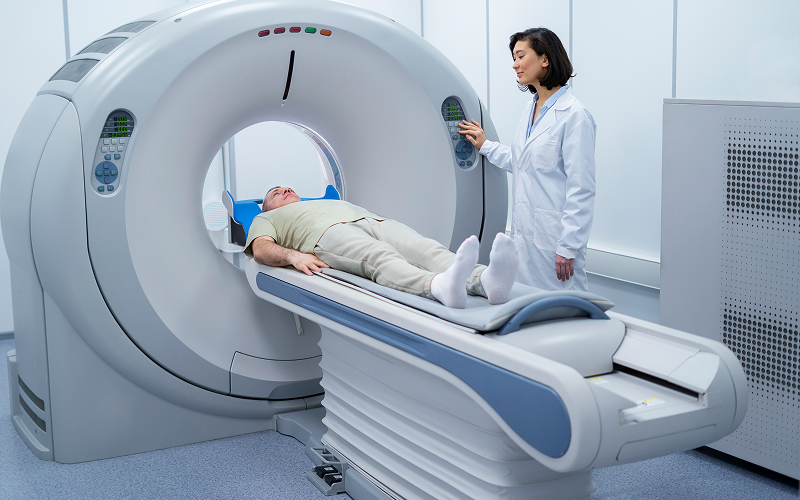
Before starting radiation therapy, simulation sessions guide the setup. The radiation oncologist conducts planning scans, usually with CT. Immobilisation devices help position the patient consistently throughout treatment. Every measurement must align precisely to avoid affecting healthy tissue.
Planning usually takes a few days. The team uses imaging data to map out the target and surrounding organs. Radiation dosage gets calculated down to fractions of millimeters. The oncologist leads this effort and confirms the final plan before treatment starts. Proton therapy in Singapore follows the same simulation process but offers more precise dose delivery.
Patients get scheduled over consecutive days for treatment, excluding weekends. Each session lasts under 30 minutes. The actual radiation exposure spans only a few minutes within that time. Staff provide clear instructions about what to do and how to prepare. Eating, hydration, and skin care around the treatment site are reviewed beforehand.
Radiation oncologists adjust plans if changes in body shape, weight, or tumour size appear. Adaptive planning ensures treatment remains effective and focused. The doctor monitors progress through periodic scans and assessments.
Monitoring and Managing Side Effects during Treatment
Patients undergoing radiation may experience fatigue, skin redness, or irritation at the treatment area. Radiation doctors track these side effects from start to finish. Weekly reviews address changes and symptoms as they occur. Adjustments may involve medication, treatment delays, or referrals to support teams.
Proton therapy in Singapore allows oncologists to reduce side effects for certain cancers. Its energy can stop at the tumour, limiting exposure to surrounding tissues. Paediatric patients or those with brain or spinal tumours usually benefit most. The radiation oncologist evaluates eligibility during the consultation stage.
Supportive care extends throughout the treatment period. Skin issues, swallowing discomfort, or loss of appetite may occur depending on the treatment area. The oncologist coordinates with dietitians, speech therapists, or physiotherapists if necessary. Advice remains clinical and focused on enabling patients to complete therapy as planned.
Psychosocial support may also be discussed. Ongoing fatigue, stress, or sleep disruption may affect treatment adherence. Oncologists refer patients to counsellors or community support teams when relevant.
Post-Treatment Surveillance and Recovery Guidance
After completing radiation therapy, patients continue seeing their radiation doctor in Singapore for scheduled follow-ups. The doctor checks if the tumour shrinks, stays stable, or responds to therapy. Imaging, lab tests, or physical exams support decision-making at this stage.
Radiation side effects may linger for weeks. The doctor advises on healing timelines and offers relief strategies. For example, radiation to the pelvic region may cause bowel changes. The oncologist offers clinical direction to ease symptoms and ensure patients return to regular activity.
Proton therapy patients often complete similar follow-ups. Recovery timelines mirror conventional therapy in most cases. The radiation doctor remains the central point of contact for any new or delayed issues.
Follow-up intervals stretch over months or years, depending on cancer type and stage. The radiation doctor also flags patients who may need further surgery, immunotherapy, or chemotherapy after radiation.
Clear guidance on long-term side effect monitoring, dietary support, and lifestyle changes concludes the treatment cycle. Patients also receive information about future scans or recurrence watchpoints. The doctor documents outcomes and updates the care plan for the wider oncology team.
Conclusion
Seeing a radiation doctor in Singapore means receiving a detailed evaluation, precise planning, and guided treatment follow-through. Patients experience structured care with measurable outcomes and ongoing surveillance. For cancers requiring targeted therapy, options like proton therapy in Singapore may improve focus and reduce long-term complications.
For personalised cancer care and expert consultation, contact Dr Johann Tang to connect with a trusted radiation oncologist in Singapore.
