
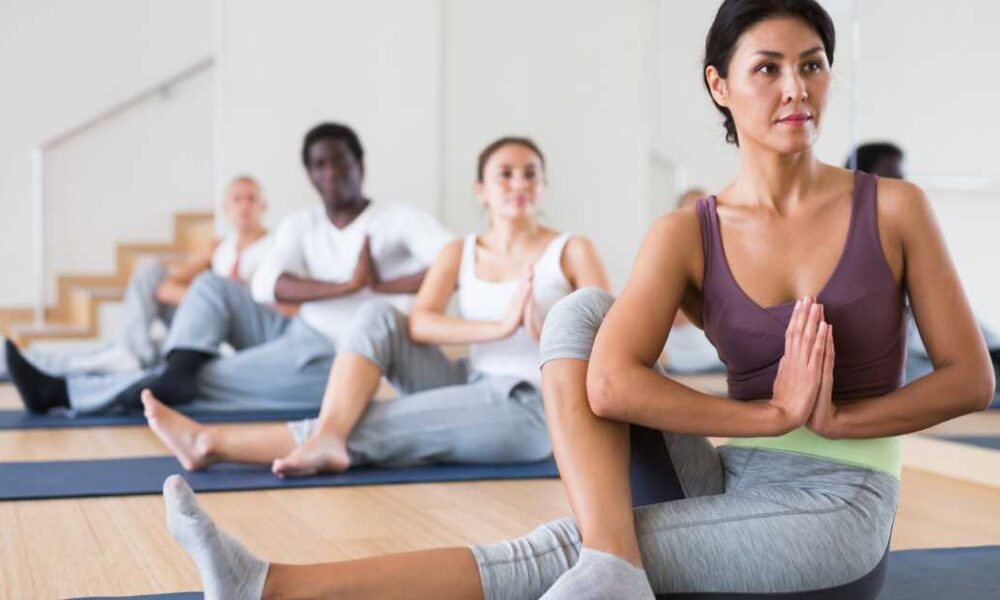

Recovering from surgery isn’t just about physical healing; it’s about nurturing both body and mind. Yoga offers a holistic approach that can help rebuild strength, flexibility, and emotional balance during the post-surgery journey. From enhancing circulation to reawakening tired muscles, every pose can make a difference in restoring your vitality. Let’s dive into how yoga can transform your recovery and speed up healing.
The Power of Yoga in Post-Surgery Recovery
Why Movement is Key After Surgery
- Promotes Circulation: Enhances blood flow to accelerate healing.
- Reduces Swelling: Helps in the movement of lymphatic fluid to reduce swelling and inflammation.
- Prevents Stiffness: Reintroduces gentle movement to counteract post-surgery stiffness.
Yoga encourages movement through gentle stretching and breathing techniques, which can help the body recover faster and more effectively.
Setting the Foundation: Preparing for Post-Surgery Yoga
Pre-Yoga Considerations: Consulting with Your Doctor
Before you start any yoga practice post-surgery, consulting with your healthcare provider is a must:
- Doctor’s Approval: Ensure your body is ready for movement and that specific yoga poses are safe.
- Custom Adjustments: Your doctor may suggest personalized modifications based on your surgery type.
Creating a Healing Space for Yoga Practice
An optimal environment enhances healing through yoga:
- Lighting & Ambiance: Soft lighting, calming colors, and soothing sounds can help relax your mind.
- Props: Use props like yoga blocks, cushions, and straps to make your practice comfortable and safe.
Post-Surgery Benefits of Yoga: Restoring Vitality and Strength

Improving Circulation and Reducing Swelling
Yoga poses like twists, leg lifts, and gentle stretches can:
- Boost Blood Flow: Activate the circulatory system to deliver oxygen and nutrients to healing tissues.
- Flush Out Toxins: Encourage lymphatic drainage to reduce swelling and promote detoxification.
Rebuilding Flexibility and Range of Motion
Stiffness can occur after surgery, but yoga helps:
- Gentle Stretching: Poses like Cat-Cow and gentle spinal rotations release tightness in joints and muscles.
- Range of Motion: Slowly reintroduce movement in stiff joints and muscles, improving flexibility over time.
Enhancing Strength and Muscle Tone Post-Surgery
- Targeted Strengthening Poses: Downward-Facing Dog and Warrior Poses work on rebuilding muscle tone in arms, legs, and core.
- Stability Poses: Incorporating balance poses like Tree Pose or Half Moon builds muscle stability and prevents imbalances.
Key Yoga Poses for Post-Surgery Recovery
Restorative Poses for Gentle Healing
Supported Child’s Pose (Balasana)
- Deep Relaxation: Allows the body to rest, while gently stretching the spine, hips, and knees.
- Restorative Benefits: Perfect for relieving tension without overstretching.
Supta Baddha Konasana (Reclining Bound Angle Pose)
- Opens the Hips and Chest: Encourages gentle stretching, while allowing deep relaxation.
- Stimulates the Nervous System: A calming pose to restore balance and emotional well-being.
Strengthening Poses for Resilience
Downward-Facing Dog (Adho Mukha Svanasana)
- Full Body Stretch: Activates arms, legs, and core, helping rebuild strength.
- Releases Tension: Stretches the back, hamstrings, and calves while improving circulation.
Warrior Poses (Virabhadrasana I & II)
- Builds Lower Body Strength: Focuses on legs and core, increasing balance and stability.
- Enhances Posture: Strengthens the back and shoulders, improving posture post-surgery.
Breathing Techniques for Healing
Diaphragmatic Breathing
- Nervous System Calm: Engages deep breathing to calm the body and reduce stress.
- Oxygenates Healing Tissue: Encourages optimal oxygen flow to damaged areas.
Nadi Shodhana (Alternate Nostril Breathing)
- Balances Energy: Calms the mind and body by balancing the nervous system.
- Relieves Anxiety: Reduces emotional stress, helping you stay grounded through recovery.
Emotional Well-Being and Mindful Healing
Yoga as a Tool for Mental Resilience
Managing Stress and Anxiety
- Gentle Practices: Low-impact yoga and meditation help calm the mind, reducing post-surgery stress.
- Emotional Release: Emotional blockages can be released through mindful movement, encouraging emotional healing.
Building Mental Strength
- Meditation: Practice focused meditation to clear mental clutter and promote clarity.
- Self-Compassion: Use affirmations and mindfulness to nurture your emotional resilience.
Meditation and Visualization for Post-Surgery Recovery
Guided Meditations
- Healing Visualizations: Mentally visualize your body healing, which accelerates physical recovery.
- Stress Reduction: Guided sessions help relax the nervous system and promote mental clarity.
Visualization for Healing
- Mental Imagery: Use positive imagery of your body returning to health.
- Empowerment: Strengthen your mind-body connection for quicker recovery and long-term vitality.
The Role of Consistency and Patience in Post-Surgery Yoga
Building a Sustainable Practice
- Starting Slow: Begin with gentle stretches and build the intensity of your practice gradually.
- Celebrate Small Wins: Acknowledge progress, no matter how small, to stay motivated on your recovery journey.
Listening to Your Body: When to Rest and When to Push Forward
- Know Your Limits: If you experience pain or discomfort, ease off and modify the pose.
- Rest Days Are Essential: Incorporate rest days into your practice to avoid overworking your body.
Integrating Yoga with Other Healing Modalities
Complementing Yoga with Physical Therapy
- Holistic Approach: Yoga can supplement physical therapy by improving flexibility and muscle tone.
- Joint Mobility: Physical therapy exercises, when combined with yoga, improve joint function and range of motion.
Nutrition and Yoga for Post-Surgery Vitality
- Anti-Inflammatory Diet: Nourish your body with anti-inflammatory foods like turmeric, berries, and leafy greens.
- Hydration: Drinking plenty of water helps muscle recovery and keeps the body’s systems running smoothly.
When to Seek Professional Guidance
The Role of a Certified Yoga Therapist
- Personalized Plan: A certified yoga therapist can tailor the practice to your specific post-surgery needs.
- Safe Progression: A therapist ensures that your yoga practice aligns with your healing goals and physical limits.
Knowing When to Modify or Pause Your Practice
- Recognizing Setbacks: If you feel pain or fatigue, don’t hesitate to pause and reevaluate your practice.
- Adapting Poses: Modify your poses to suit your body’s current abilities, gradually building back strength.
Conclusion: Embracing Yoga for a Full Recovery
Yoga is not only a physical practice—it’s a mental and emotional journey that can help you regain strength, mobility, and inner peace after surgery. Through consistency, patience, and mindful movement, you can rebuild your body with every yoga pose. Whether you’re looking to increase flexibility, boost strength, or reduce stress, yoga provides a holistic approach to post-surgery recovery, helping you feel restored in both body and mind.
