

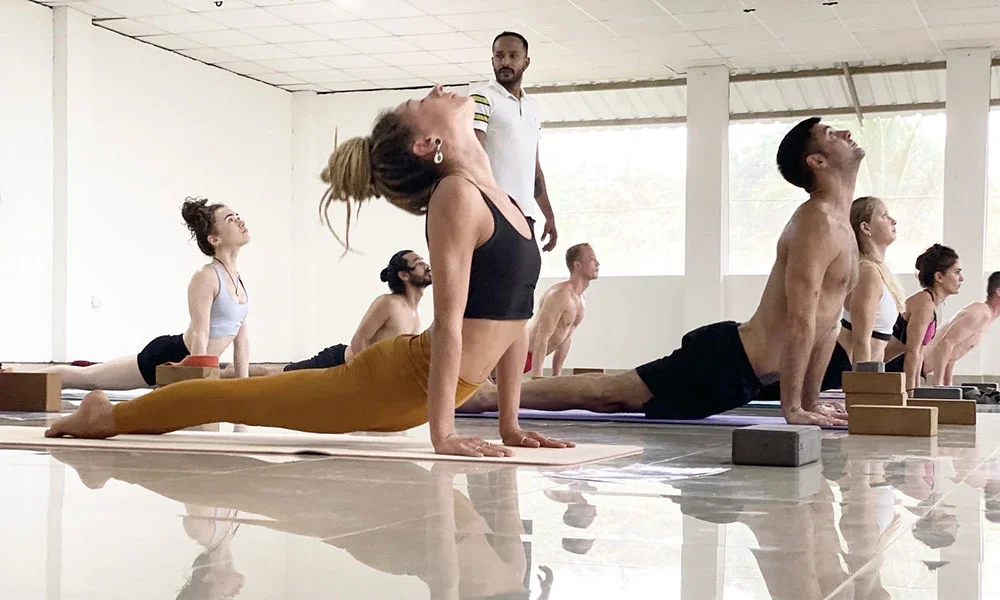
Reimagining Athletic Training with Yoga
Yoga is increasingly recognized as a valuable addition to competitive training, not just for flexibility but also for enhancing overall athletic performance. This section introduces why more athletes are embracing yoga as a core part of their training routines and how it complements traditional methods.
- Evolution of Training Techniques
- The shift from just strength training to a more holistic approach.
- Recognizing the importance of mental wellness and flexibility in sports performance.
- Synergy Between Yoga and Athletic Training
- How yoga helps athletes achieve optimal strength, flexibility, and mental focus.
- Using yoga to improve physical endurance, recovery, and agility.
Foundations of Yoga for Athletes
Yoga is not just a practice for relaxation—it plays a significant role in athletic performance by improving both mental and physical well-being. Let’s dive deeper into its specific benefits.
What Yoga Brings to the Table
Yoga offers far-reaching benefits for athletes, addressing flexibility, strength, and mental resilience.
- Physical Benefits
- Helps reduce muscle stiffness and increases joint mobility.
- Improves range of motion, allowing for better performance and fewer injuries.
- Mental Benefits
- Boosts mental clarity, focus, and concentration under pressure.
- Encourages mindfulness, which helps athletes stay calm in competitive situations.
Bridging the Gap Between Traditional Training and Yoga
Yoga doesn’t just complement training—it enhances it. Let’s look at how integrating yoga optimizes athletic performance.
- Holistic Approach to Athletic Training
- Balances strength with flexibility for well-rounded athletic abilities.
- Provides recovery benefits that traditional strength training can’t offer.
- Integration into Existing Training Regimes
- How to add yoga seamlessly without disrupting the athlete’s main routine.
- Combining yoga with weight training, cardio, and sport-specific drills for maximum impact.
Physical Benefits: Unlocking Potential through Yoga

Yoga improves several aspects of an athlete’s physical performance, from flexibility to strength. Here’s how yoga enhances the body’s capabilities.
Flexibility and Range of Motion
Flexibility is key for injury prevention, and yoga delivers in this area by improving flexibility across all muscle groups.
- Improved Joint Mobility
- Poses like Warrior I and II target hips and knees, enhancing stability.
- Downward Dog and Pigeon Pose improve flexibility in the spine, hamstrings, and glutes.
- Range of Motion for Dynamic Movements
- Flexibility in large muscle groups increases the range of motion, allowing for more powerful, efficient movements.
Injury Prevention and Recovery
Yoga is a powerful tool for reducing injury risk and aiding recovery, allowing athletes to train harder and more effectively.
- Reducing Overuse Injuries
- Yoga improves balance and strengthens stabilizing muscles, reducing the chance of injuries from repetitive motions.
- Post-Recovery with Restorative Yoga
- Child’s Pose, Savasana, and Reclining Bound Angle Pose help release muscle tension, allowing athletes to recover faster.
Strengthening Core and Stability
A strong core is vital for nearly all sports. Yoga focuses on building deep core strength that supports every movement.
- Core Strengthening Poses
- Plank Pose, Boat Pose, and Side Plank engage the core, improving balance and control.
- Stability During Dynamic Actions
- Core strength ensures athletes can maintain good posture and stability during high-impact movements.
Enhancing Endurance and Stamina
Yoga’s focus on breathing techniques can significantly enhance athletic endurance and stamina.
- Breathing Techniques for Improved Endurance
- Pranayama (controlled breathing) helps athletes manage oxygen flow, boosting stamina during prolonged exertion.
- Increased Energy Flow
- Bhastrika and Ujjayi Pranayama energize the body, ensuring athletes remain at peak performance throughout training and competition.
Mental Benefits: The Mindful Edge in Sports
Yoga isn’t just for the body—it trains the mind, which is just as important in athletic performance. Let’s explore how yoga enhances mental resilience.
Focus and Clarity for Peak Performance
Yoga sharpens concentration, helping athletes maintain focus during competition.
- Improved Concentration through Meditation
- Meditation and mindfulness practices help athletes stay focused on their goals, preventing distractions during crucial moments.
- Developing Mental Resilience
- Yoga trains the mind to remain calm and composed under pressure, vital for handling competition stress.
Stress and Anxiety Management
Athletes often experience performance anxiety, but yoga offers tools to combat stress and enhance mental clarity.
- Managing Nerves with Breathing Exercises
- Pranayama techniques calm the nervous system, reducing anxiety before and during events.
- Mindfulness for Emotional Balance
- Yoga helps athletes manage emotional highs and lows, ensuring they stay emotionally balanced during their performance.
Yoga Poses That Elevate Athletic Performance
These poses are carefully selected to provide the physical and mental benefits needed to improve athletic performance.
Dynamic Poses for Strength and Flexibility
Key yoga poses help athletes improve strength and flexibility in the areas that matter most.
- Warrior Poses (I, II, III)
- Improve lower body strength, hip flexibility, and balance.
- Essential for runners, soccer players, and gymnasts.
- Downward Dog and Pigeon Pose
- Increase flexibility in the back and hips, reduce muscle tightness after training.
Restorative Yoga for Recovery
Yoga is an excellent post-training tool to reduce muscle fatigue and promote quicker recovery.
- Child’s Pose
- Great for calming the mind and gently stretching the lower back and legs.
- Supta Baddha Konasana (Reclining Bound Angle Pose)
- Opens up the hips and groin, releasing deep muscle tension.
Integrating Yoga into Athletic Training Programs
Yoga can easily complement competitive training with the right approach. Here’s how to add yoga to an existing training regimen.
Pre-Training: Warm-Up for Flexibility and Strength
Using yoga before training helps activate muscles and increase flexibility, preparing athletes for the demands of intense workouts.
- Dynamic Sun Salutations
- A series of poses that stretch and warm up the whole body, engaging the core and preparing the muscles for movement.
Post-Training: Cooling Down and Recovery
After an intense workout, yoga aids in muscle recovery and reduces the risk of soreness.
- Restorative Poses to Release Tension
- Legs Up the Wall Pose, Reclining Twist, and Savasana help to relax the body and rejuvenate after training.
Creating a Balanced Cross-Training Routine
Yoga should be seen as an integral part of an athlete’s training regimen, working alongside strength training, cardio, and sport-specific drills.
- Combining Yoga with Other Training Methods
- Incorporate yoga into rest days, or use it as a warm-up or cool-down between heavy training sessions.
Conclusion: Why Yoga is a Game-Changer for Competitive Athletes
Yoga isn’t just an option for athletes—it’s essential. It helps optimize performance, prevent injury, and foster mental clarity. As the athletic world continues to evolve, integrating yoga into training regimens will no longer be a trend, but a necessity for long-term success.
- The Future of Yoga in Competitive Sports
- With growing recognition, yoga is set to become a staple in training programs for athletes across all disciplines.