

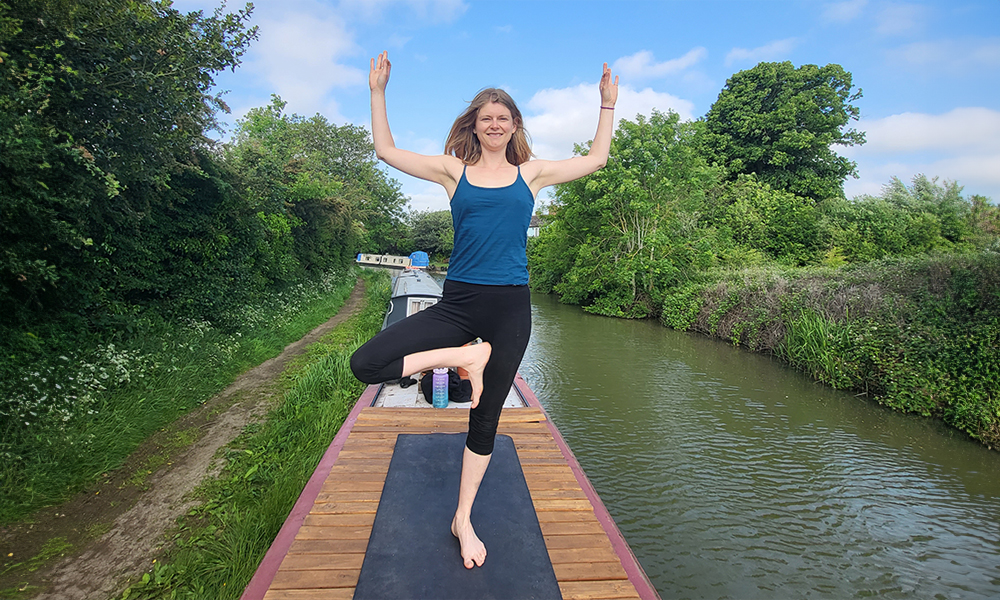
Beyond the Asanas – The Emotional Power of Yoga
Yoga is often viewed solely as a physical practice, but its power to heal and liberate the emotions is profound. While the body bends and stretches through various postures, something even more powerful happens at a deeper level. Yoga offers a transformative path toward emotional freedom, helping to release tension, anxiety, and unprocessed emotions that accumulate over time. It’s not just about the poses; it’s about creating space within ourselves to reconnect with our emotional needs, unlock our inner strength, and find balance.
Emotional Liberation Defined
Emotional liberation in yoga refers to the process of releasing trapped emotions and negative energy from the body through mindful movement and breath. It’s a holistic approach that involves reconnecting with our feelings, embracing vulnerability, and cultivating a sense of peace and acceptance. Emotional liberation through yoga is about empowering ourselves to break free from emotional restrictions and allow space for healing.
Understanding Emotional Blocks: What Stops You from Feeling Free?
The Concept of Emotional Blockages
Our body is a powerful vessel that stores experiences, memories, and emotions. When we experience traumatic events, high stress, or unresolved issues, these emotions can become stored in different parts of our body, creating emotional blockages. These blockages manifest physically as muscle tension, fatigue, or even illness. Emotional release through yoga helps to unlock these blockages, leading to greater well-being and emotional balance.
Common Sources of Emotional Blocks
Some common sources of emotional blockages include:
- Repressed Trauma: Past trauma, often buried in the subconscious, can create physical tension and emotional numbness.
- Stress and Anxiety: Chronic stress impacts both the body and mind, creating a constant state of emotional turbulence.
- Unresolved Grief: The emotional weight of loss can create deep-rooted tension that is often held in the chest or stomach. Yoga helps address these emotional blockages through targeted poses, breathwork, and meditation, allowing for the safe release of suppressed emotions.
The Mind-Body Connection: How Movement Unlocks Emotion
The Physiological Impact of Yoga on Emotions
Yoga activates the nervous system and helps balance the body’s responses to stress. Through intentional movement and deep breathing, yoga stimulates the parasympathetic nervous system, which is responsible for relaxation and recovery. This helps reduce the body’s fight-or-flight response, ultimately lowering cortisol levels and promoting emotional regulation.
Yoga poses such as forward bends, backbends, and twists release tension in the body and create space for emotional expression. The mind and body are intrinsically connected, and movement unlocks emotions stored deep within.
Yoga as a Pathway to Emotional Awareness
Through movement, yoga invites us to become more aware of our emotional states. Poses like heart openers or hip openers directly affect the areas of the body where emotional tension is stored. As we move, we begin to release pent-up feelings, bringing us into deeper emotional awareness and, ultimately, emotional liberation.
- Chest Openers: These poses help to release grief, sadness, and emotional weight stored in the heart.
- Hip Openers: These poses are known to release pent-up emotions such as anger, fear, and even trauma.
By becoming attuned to how our body feels in each pose, we connect with our emotions and release what no longer serves us.
The Healing Power of Breath: Pranayama for Emotional Release
Pranayama: Breathwork as a Gateway to Emotional Healing
Breath is a powerful tool in yoga, directly affecting our emotional state. Pranayama (breathing techniques) brings us into the present moment and regulates our energy, allowing us to release emotional tension. Specific breathing techniques such as Nadi Shodhana (alternate nostril breathing) and Kapalbhati (breath of fire) help to balance the nervous system and calm the mind.
- Nadi Shodhana: Calms the mind, relieves anxiety, and balances the body’s energy.
- Kapalbhati: Clears mental fog, energizes the body, and helps release emotional toxins.
Pranayama helps bring focus, clarity, and emotional stability, making it an essential practice for emotional liberation.
Breath and Emotional States
Shallow breathing is often linked to feelings of anxiety, stress, and tension. By practicing deep, intentional breathing, we activate the parasympathetic nervous system, leading to emotional balance and stress reduction. Breathing exercises such as Box Breathing (four counts inhale, hold, exhale, hold) can be used to reduce anxiety and bring emotional stability.
Healing from the Inside Out: Emotional Benefits of Regular Yoga Practice

The Role of Consistency in Emotional Healing
The emotional benefits of yoga are maximized with consistent practice. Just like physical strength, emotional resilience is built over time. Yoga helps individuals become more resilient in dealing with emotional challenges. By committing to regular practice, yoga gradually restores emotional balance, calms anxiety, and fosters a sense of inner peace.
The Connection Between Post-Yoga States and Emotional Balance
After a session of yoga, many practitioners report feeling lighter, more peaceful, and grounded. This post-yoga state is a result of releasing emotional baggage and activating the body’s natural healing mechanisms. The practice triggers the release of endorphins, promoting a sense of happiness and emotional well-being. Regular yoga practice strengthens the emotional foundation and helps maintain a state of inner calm.
Yoga for Stress Management: Finding Emotional Relief Through Movement
How Stress Impacts the Body and Emotions
Stress is one of the most prevalent causes of emotional imbalance. When we experience stress, the body goes into a fight-or-flight mode, causing an increase in heart rate and muscle tension. Chronic stress results in a build-up of negative emotions, leaving us feeling drained and overwhelmed. Yoga offers relief by calming the nervous system and providing emotional release through movement.
Yoga Poses That Target Stress Relief
Certain yoga poses help target areas of tension caused by stress and promote emotional relief:
- Child’s Pose (Balasana): Relieves tension in the back, shoulders, and neck, promoting relaxation.
- Forward Folds: Calm the nervous system, stretch the hamstrings, and ease stress.
- Legs Up the Wall Pose (Viparita Karani): Reduces stress and promotes deep relaxation by calming the nervous system.
Each of these poses provides emotional and physical relief, making them effective tools in managing stress.
The Emotional Benefits of Mindful Movement
Mindfulness and Yoga: A Powerful Combination
Mindfulness is the practice of being fully present in the moment. When combined with yoga, mindfulness enhances the emotional healing process. Mindful movement allows practitioners to stay connected to their bodies and emotions, promoting emotional release and clarity. The integration of breath with movement heightens the healing benefits of each pose, fostering a deeper emotional connection.
Awareness in Every Pose: Emotional Release Through Intentional Movement
By bringing awareness to each movement, yoga allows practitioners to release emotions tied to specific body parts. A mindful practice of yoga can help release negative emotions stored in the chest, hips, or shoulders, bringing about emotional clarity and a sense of liberation.
Yoga Poses for Emotional Liberation: Top Asanas to Release Tension
Postures to Release Stored Emotions
Certain yoga poses target specific emotional release areas. These poses work by opening up the body and allowing for the flow of energy, releasing stored emotions in the process:
- Seated Forward Fold (Paschimottanasana): A deep stretch that releases emotional tension and promotes surrender.
- Bridge Pose (Setu Bandhasana): Opens the heart and chest, helping to release emotional blockages and invite love.
- Warrior Poses (Virabhadrasana): Empowering postures that help release fear and instill emotional strength.
By practicing these poses, practitioners can experience emotional breakthroughs and a sense of freedom.
The Role of Meditation in Emotional Liberation Through Yoga
Meditation: Enhancing Emotional Release Through Stillness
Meditation enhances the emotional healing process by creating space for deep emotional exploration. It encourages practitioners to sit with their emotions, process them, and allow them to pass without judgment. Meditation practices such as Loving-Kindness Meditation and Body Scan Meditation offer effective ways to address emotional healing through stillness and presence.
- Loving-Kindness Meditation (Metta): Cultivates love and acceptance, fostering emotional release.
- Body Scan Meditation: Helps release tension and emotional blocks by bringing attention to specific areas of the body.
Integrating Yoga Into Your Life for Long-Term Emotional Healing
Establishing a Daily Practice for Emotional Health
Creating a daily yoga routine provides emotional stability and promotes mental clarity. Even a short 15-20 minute practice can support emotional balance and resilience. Building a consistent practice helps process emotions more effectively and leads to long-term emotional healing.
Finding Your Emotional Flow Through Yoga
Through yoga, we learn to flow with life’s challenges instead of resisting them. Yoga teaches emotional flexibility, enabling us to adapt to changing circumstances and grow stronger emotionally. The emotional liberation that comes from regular practice is a lifelong journey that deepens with each breath and movement.
Conclusion: Embrace the Freedom of Emotional Liberation
Yoga offers a pathway to emotional liberation, healing, and self-awareness. Through mindful movement, breathwork, and meditation, yoga creates an opportunity to release trapped emotions and restore emotional balance. By integrating yoga into daily life, individuals can experience a profound sense of peace, joy, and inner strength. Ultimately, yoga not only heals the body but also frees the mind, unlocking the emotional freedom that allows us to live authentically and fully.