

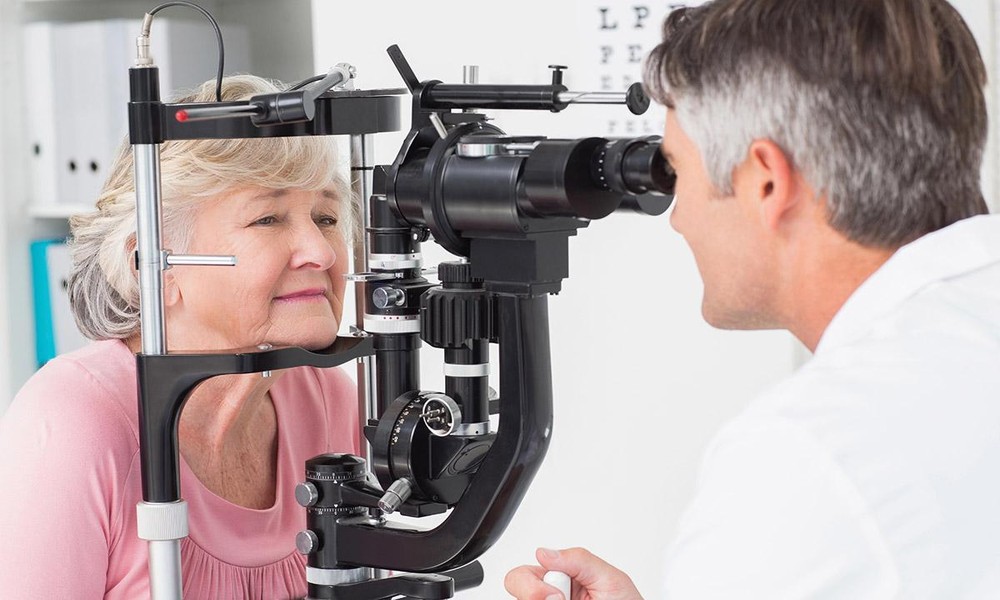
Understanding refractive lens exchange and whether it may be the right vision correction option for you.
For many adults, vision changes become more noticeable with age. Reading small text, driving at night, or switching focus between near and far objects may gradually become more difficult. While glasses and contact lenses can resolve these issues, some patients prefer a long-term solution that reduces their dependence on corrective eyewear.
One advanced option gaining attention is Refractive Lens Exchange (RLE). This procedure can significantly improve vision while also preventing cataracts from developing later in life. For individuals seeking lasting visual freedom, RLE may offer an effective alternative to glasses or contact lenses.
At Anaheim Eye Institute, patients in Anaheim and surrounding communities have access to advanced vision correction procedures designed to improve clarity, comfort, and long-term eye health.
What Is Refractive Lens Exchange?
Refractive Lens Exchange is a vision correction procedure that replaces the eye’s natural lens with an artificial intraocular lens (IOL). The goal is to correct refractive errors such as nearsightedness, farsightedness, and presbyopia.
The procedure is nearly identical to cataract surgery, except it is performed before a cataract develops. By replacing the natural lens with a clear artificial lens, patients can experience improved vision without the progressive clouding that occurs with cataracts later in life.
Modern intraocular lenses are designed to provide excellent vision at multiple distances. Depending on the type of lens selected, patients may achieve improved distance vision, reading vision, or a combination of both.
Because the artificial lens does not age or cloud over time, RLE offers a long-term solution for many patients who want to reduce their dependence on glasses.
“Refractive lens exchange not only improves vision but also prevents cataracts from developing in the future.”
Ideal Candidates for RLE
While RLE can be highly effective, it is not the right choice for everyone. Certain factors help determine whether a patient is a good candidate for the procedure.
One of the most common groups who benefit from RLE includes adults over the age of 40 who are experiencing presbyopia, the age-related loss of near focusing ability. These individuals often struggle with reading glasses and may find traditional laser vision correction less effective for their needs.
Patients with high farsightedness (hyperopia) may also benefit from RLE. In some cases, LASIK may not fully correct high levels of farsightedness, making lens replacement a more reliable option.
Additionally, individuals who are not ideal candidates for LASIK or PRK due to thin corneas or certain eye conditions may still be excellent candidates for RLE.
Common characteristics of good candidates include:
- Age 40 or older
- Difficulty with reading or near vision
- Moderate to severe farsightedness
- Desire to reduce dependence on glasses
- Healthy eyes with no active disease
A comprehensive eye exam is essential to determine whether RLE is the most appropriate treatment option.
Who May Not Be a Good Candidate?
Although RLE offers many benefits, certain individuals may need alternative treatments.
Patients with healthy natural lenses and mild refractive errors may achieve excellent results with LASIK or PRK, which reshape the cornea rather than replacing the lens.
Individuals with certain eye diseases, such as uncontrolled glaucoma, retinal disorders, or corneal conditions, may require specialized evaluation before considering lens replacement surgery.
Additionally, younger patients who have not yet developed presbyopia may benefit more from laser vision correction procedures.
Because every patient’s vision and eye health are unique, a personalized consultation is essential before making treatment decisions.
Benefits of RLE for Vision Correction
For the right candidate, refractive lens exchange can offer several significant advantages.
One of the most appealing benefits is the potential reduction or elimination of glasses and contact lenses. Many patients experience improved distance and near vision following the procedure, depending on the type of lens implanted.
Another major advantage is that RLE eliminates the future possibility of cataracts. Since the natural lens is replaced during the procedure, cataracts cannot form later in life.
Patients often also report improved visual clarity and sharper contrast compared to their previous vision with glasses.
Additional benefits may include:
- Long-term vision stability
- Reduced dependence on reading glasses
- Improved night vision with modern lens designs
- A quick recovery period
These advantages make RLE an appealing option for individuals seeking lasting vision correction.
“By replacing the eye’s natural lens, RLE offers a permanent solution for many age-related vision changes.”
What to Expect During the Procedure
Refractive lens exchange is typically performed as an outpatient procedure and usually takes less than 30 minutes per eye.
Before the procedure begins, the eye is numbed using medicated drops to ensure comfort. A small incision is then made in the eye to remove the natural lens.
The artificial intraocular lens is carefully inserted and positioned to provide optimal vision correction. Because the incision is extremely small, stitches are usually not required.
Most patients notice improved vision within a few days, although full visual stabilization may take a few weeks.
Patients can usually resume normal daily activities quickly, though doctors may recommend avoiding strenuous activity or eye rubbing during the initial healing period.
Why Choose Anaheim Eye Institute
Choosing the right surgeon and eye care center plays a critical role in achieving excellent results from refractive lens exchange.
At Anaheim Eye Institute, patients benefit from advanced diagnostic technology, experienced ophthalmologists, and a personalized approach to vision correction. Each patient undergoes a detailed evaluation to determine the most appropriate treatment based on their lifestyle, visual needs, and eye health.
By offering modern intraocular lens options and state-of-the-art surgical techniques, the team at Anaheim Eye Institute helps patients achieve clearer vision and greater independence from corrective eyewear.
If you are considering refractive lens exchange or want to explore advanced vision correction options, schedule a consultation with Anaheim Eye Institute. Their experienced eye care specialists can evaluate your vision and help determine whether RLE is the right solution for you.