

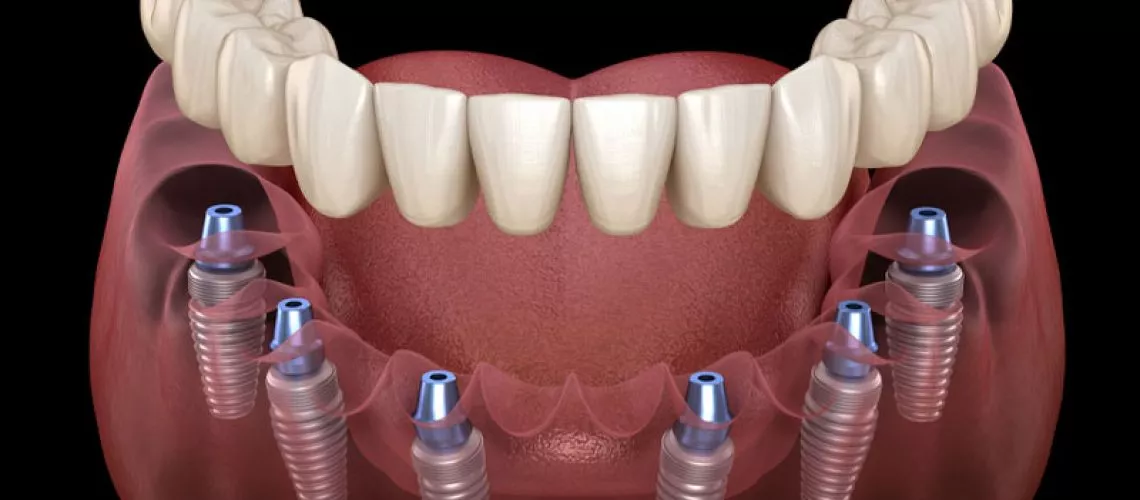
A missing, damaged, or loose tooth can make it uncomfortable and embarrassing to smile. Thankfully, you can replace it with a dental implant, which feels, looks, and functions like a real tooth. However, not everyone can get dental implants. So, you must consult a dentist in Plymouth, MA, first to know if this dental restoration option is right for you.
Who Can Get Dental Implants?
Improving Your Overall Health Before You Get an Implant
Even if you are healthy, the dental implant procedure can still pose some risks. But if you have sleep apnea or a heart condition, the anesthesia to be used during the procedure can pose a risk for you. Before you consider the procedure, it is best to consult with your doctor first.
Preventing and Treating Gum Disease
Gum disease can lead to tooth loss. As it occurs, infection attacks your bones, ligaments, and gums. Also, it can cause a dental implant to fail if the bone around your implant has been attacked by bacteria. Gum disease prevention and treatment are essential to the success of dental implant procedures.
Quitting Smoking
Smoking or tobacco use negatively affects your oral and overall health. Whether you chew or smoke tobacco, your risk of implant failure and gum disease increases. Sometimes, dental implants in those who smoke can fail as the body makes fibrous tissue around them.
What if You Don’t Have Sufficient Bone Mass?
If you have limited bone to support dental implants, you can consider a bone graft to make dental restoration possible. A bone graft can be placed before or during the implant procedure. Your dentist will walk you through this option to know if you can benefit from it.
Dental Implant Alternatives
If dental implants are not right for you, you can consider a dental bridge or denture. Over the years, these teeth replacement options have improved with modern dental techniques.